Why Your CRM Data Is Lying to You (And How to Fix It With Fresh Signals)
Published March 6, 2026
The Silent Pipeline Killer
Your CRM has 50,000 contacts. You feel good about that number. Here is the problem: approximately 15,000 of those contacts have changed jobs, changed email addresses, or left the companies you have associated them with since the data was entered. Another 5,000 represent businesses that have closed, merged, or fundamentally changed their operations. Your 50,000-contact database is really a 30,000-contact database with 20,000 landmines mixed in.
Data decay is not a minor inconvenience. It is a structural failure that compounds over time, systematically degrading every metric that matters: deliverability, response rates, conversion rates, and ultimately, revenue.
THE DATA DECAY CRISIS
How Data Decay Destroys Your Pipeline
The damage from stale CRM data operates on multiple levels:
- Deliverability damage: Bounced emails from outdated addresses hurt your sender reputation, which reduces deliverability for ALL your emails -- including those to valid contacts.
- Wasted capacity: Reps spending time calling disconnected numbers and emailing dead addresses are not selling. At 30% decay, nearly a third of all outreach activity is wasted.
- Missed opportunities: When businesses change -- new ownership, new location, new services -- your outdated records mean you are pitching the wrong message to the wrong situation.
- Forecasting errors: Pipeline forecasts built on stale data produce inaccurate predictions, leading to poor resource allocation and missed targets.
- Compliance risk: Contacting individuals who have left a company can create GDPR/CCPA complications if the data subject never consented to outreach at their new organization.
The Fresh Signal Solution
The fix for data decay is not periodic "data cleaning" -- a reactive approach that only catches problems after they have already caused damage. The fix is continuous signal injection: systematically refreshing your database with current, real-time information from authoritative sources.
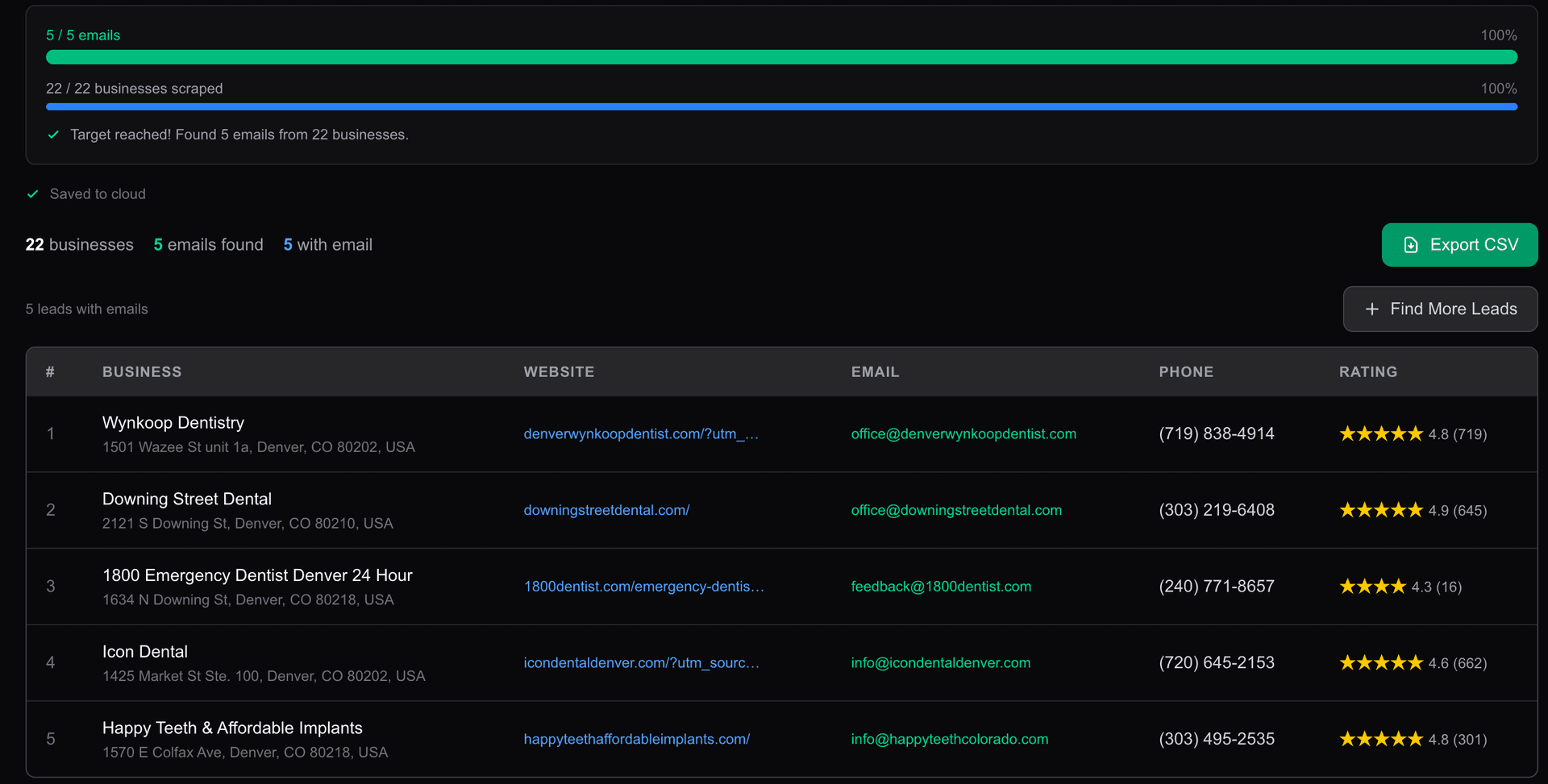
Google Maps is one of the most powerful refresh sources available because business owners actively maintain their Google Business Profiles. When a business changes its phone number, hours, address, or services, the Google listing is often the first thing updated. By regularly pulling fresh Google Places data using a tool like Easy Email Finder, you can cross-reference your CRM records against current reality and flag discrepancies automatically.
Gartner estimates that poor data quality costs organizations an average of $12.9 million per year. For sales teams specifically, the Salesforce State of Sales report found that reps spend 17% of their time on data entry and management -- time that could be eliminated with automated data refresh workflows. Fixing your data is not a cost center; it is a revenue multiplier.
Building a Data Refresh Workflow
Here is the practical workflow for keeping your CRM data alive:
- Monthly extraction: Pull fresh Google Places data for all your target categories and locations using Easy Email Finder
- Automated matching: Match extracted records against existing CRM contacts by business name and address
- Discrepancy flagging: Automatically identify records where phone numbers, websites, or other fields have changed
- New prospect identification: Isolate businesses that appear in the fresh extraction but not in your CRM -- these are new market entrants
- Closure detection: Flag CRM records that no longer appear in Google Maps results, indicating potential business closures
- Signal update: Refresh rating and review count data to track changes in prospect health over time
From Decaying Database to Living Intelligence System
The difference between a CRM and a sales intelligence system is freshness. A CRM is a filing cabinet. A sales intelligence system is a living, breathing repository that reflects current market reality. By implementing continuous data refresh from authoritative sources like Google Maps, you transform your CRM from a static archive into a dynamic prospecting engine.
Stop trusting your CRM at face value. The data is lying to you -- not maliciously, but through the inevitable entropy of information decay. Fresh signals are the cure, and the tools to implement them have never been more accessible.
Ready to find business emails?
Try Easy Email Finder free, get 5 credits to start.
Start Finding Emails