The 98% Problem: Why Your Website Traffic Is Worthless Without This
Published February 26, 2026
You Have a Traffic Problem You Don't Know About
Here is a number that should terrify every business owner: 98% of your website visitors leave without doing anything. No form fill. No email signup. No purchase. They arrive, they browse, they vanish. You paid for that traffic, through SEO, through ads, through content, and nearly all of it evaporates.
This is the 98% problem, and it is the single biggest leak in most B2B sales funnels. The good news? There is a fix. And it does not require expensive intent data platforms or six-figure martech stacks.
Why Traditional Lead Capture Is Broken
The classic playbook says: put a form on your website, offer a lead magnet, and wait for people to fill it out. The problem is that this worked in 2015. In 2026, buyers are form-averse. They have been burned by too many "free guides" that turned into aggressive sales sequences. So they browse anonymously, do their research, and leave.
The result? Your Google Analytics shows 10,000 monthly visitors but your CRM has 50 new leads. That is a 0.5% conversion rate. You are building your entire pipeline on half a percent of the people who already showed interest in what you do.
The Flip: Outbound That Feels Inbound
The companies winning in 2026 have flipped the model. Instead of waiting for the 2% to raise their hand, they proactively reach out to the other 98%, but they do it in a way that feels helpful, not pushy.
The framework looks like this:
- Identify your ideal customer profile precisely. Not "small businesses", something like "dental practices in metro areas with 3+ Google reviews and an outdated website." The more specific, the better your outreach converts.
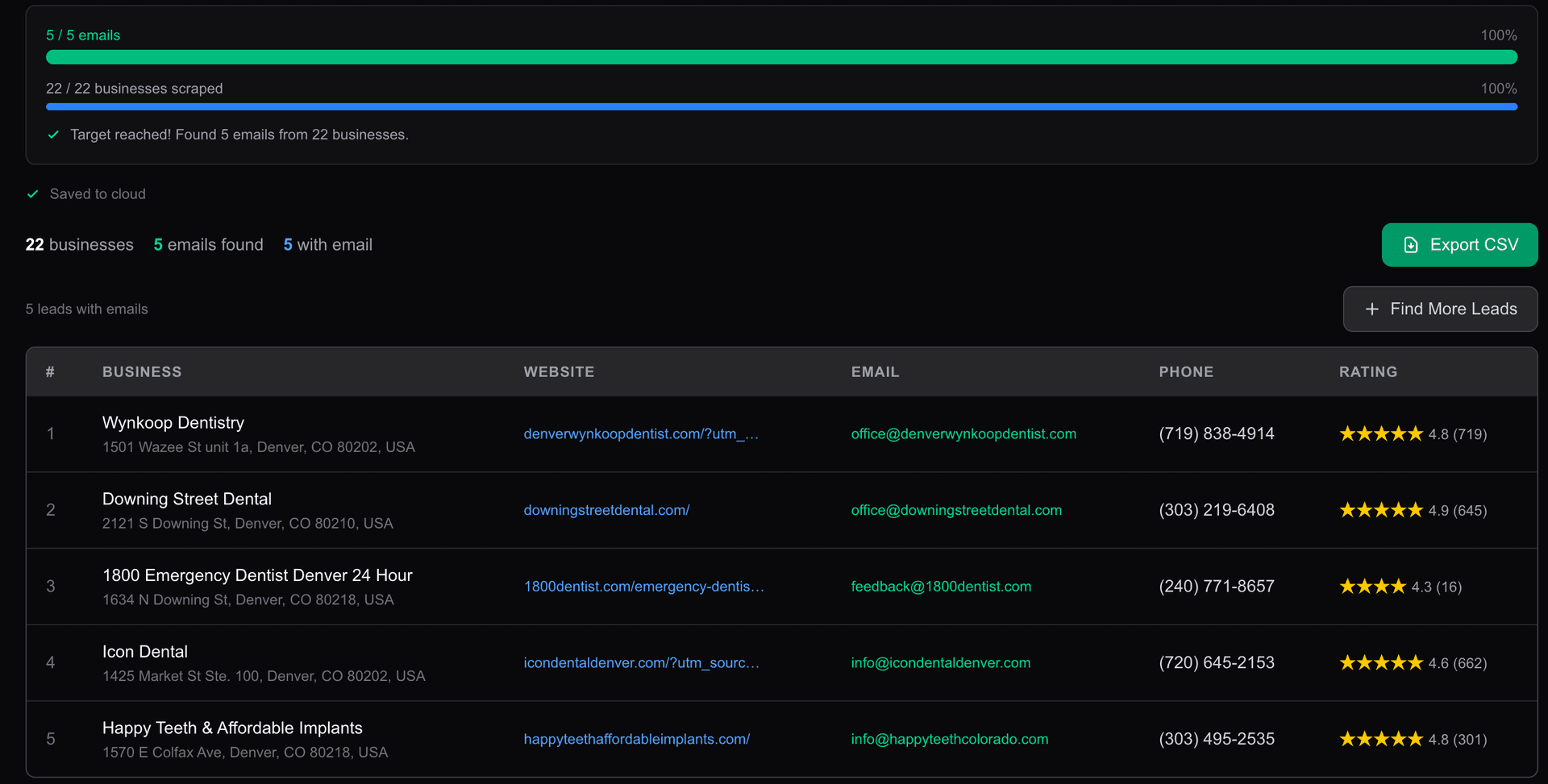
- Build a targeted list with real contact data. This is where most people get stuck. They spend hours manually Googling businesses, copying emails from websites, and organizing spreadsheets. Tools like Easy Email Finder eliminate this step entirely, search "dentists in Denver" and get a list of businesses with verified emails, phone numbers, websites, and Google ratings in minutes.
- Send outreach that references something specific. Mention their Google rating. Note that their website does not have online booking. Reference a recent review. This transforms your cold email from spam into a relevant conversation starter.
- Follow up with value, not pressure. Share a case study from a similar business. Offer a free audit. Send a quick video showing an opportunity you spotted. Each touchpoint should give before it asks.
The Math That Changes Everything
Let's run the numbers. Say you send 100 personalized emails to businesses in your target market. With a well-crafted sequence, you can expect:
- 40-60% open rate (because your subject line mentions their business name or city)
- 5-15% reply rate (because your email references something specific about them)
- 2-5 booked meetings per 100 emails
Compare that to waiting for form fills: 10,000 website visitors producing maybe 2-3 qualified leads per month. Outbound email, done well, can generate more pipeline in a week than your website does in a month.
The Data Advantage Nobody Talks About
Here is the secret weapon: Google Places data. Every local business has a Google Business Profile with their name, address, phone number, website, rating, review count, and business category. This is public data that tells you everything you need to personalize your outreach.
When you use Easy Email Finder, you get all of this data plus the email address extracted from their actual website. That means you can segment your outreach by rating ("Hey, I noticed you have 4.8 stars, your customers clearly love you"), by location, by business type, or by any combination.
This is not spray-and-pray. This is surgical outbound powered by real data.
Why This Works Better Than LinkedIn
LinkedIn has become the default B2B prospecting channel, but it is getting crowded. The average decision-maker receives 15-20 LinkedIn connection requests per week, and 79% of them ignore cold DMs entirely. Email, on the other hand, is still the channel where business gets done. People check their email first thing in the morning. They respond to emails from their phone. And unlike LinkedIn, there is no algorithm deciding whether your message gets seen.
The Action Plan
Stop optimizing your website for the 2% and start reaching the 98%. Here is your action plan for this week:
- Define your ideal customer in one sentence (industry + location + size + characteristic)
- Use Easy Email Finder to build a list of 50 matching businesses with verified emails
- Write a 3-email sequence that leads with a specific observation about each business
- Send 10 emails per day for 5 days
- Track opens, replies, and meetings booked
You will learn more about your market in one week of outbound than you will in six months of waiting for inbound leads to trickle in. The 98% problem is only a problem if you let those visitors stay anonymous. Start reaching out.
Ready to find business emails?
Try Easy Email Finder free, get 5 credits to start.
Start Finding Emails