How to Write a Sales Proposal That Wins
Published February 14, 2026
Why Most Proposals Fail
The biggest mistake in proposal writing is making it about you. Pages of company history, feature lists, and technical specifications that the prospect never asked about. A winning proposal is not a brochure. It is a document that says: "I understand your problem, here is how I will solve it, and here is what it is worth to you."
The Winning Proposal Structure
Follow this structure and you will outperform most of your competitors:
1. Executive Summary
Start with a brief paragraph that demonstrates you understand their situation. Reference specific challenges they shared during discovery. This shows you were listening and builds confidence that your solution is tailored to them.
2. The Problem
Describe their current situation and the cost of inaction. Quantify the problem wherever possible. "You are losing approximately 15 hours per week on manual data entry" is more compelling than "you spend a lot of time on data entry."
3. The Solution
Explain how your product or service solves their specific problem. Focus on outcomes, not features. For each feature you mention, tie it to a result they care about:
- Instead of: "Our platform includes automated reporting"
- Say: "Automated reporting will save your team 10 hours per week and give you real-time visibility into performance"
4. Social Proof
Include one or two case studies from similar businesses. If you used Easy Email Finder to find this prospect, chances are you have already sold to businesses like theirs. Highlight those success stories with specific metrics.
5. Investment and ROI
Present your pricing clearly and simply. Then frame it in terms of ROI. If your service costs $500 per month but saves them $2,000 in labor, that is a 4x return. Make the math easy to follow.
6. Timeline and Next Steps
Lay out exactly what happens after they say yes. An implementation timeline reduces anxiety about the transition. Clear next steps make it easy for them to move forward.
Common Mistakes to Avoid
- Sending a generic proposal that could apply to any prospect
- Including too many options that create decision paralysis
- Burying the price at the end like it is something to hide
- Failing to follow up after sending the proposal
Proposals Start with Research
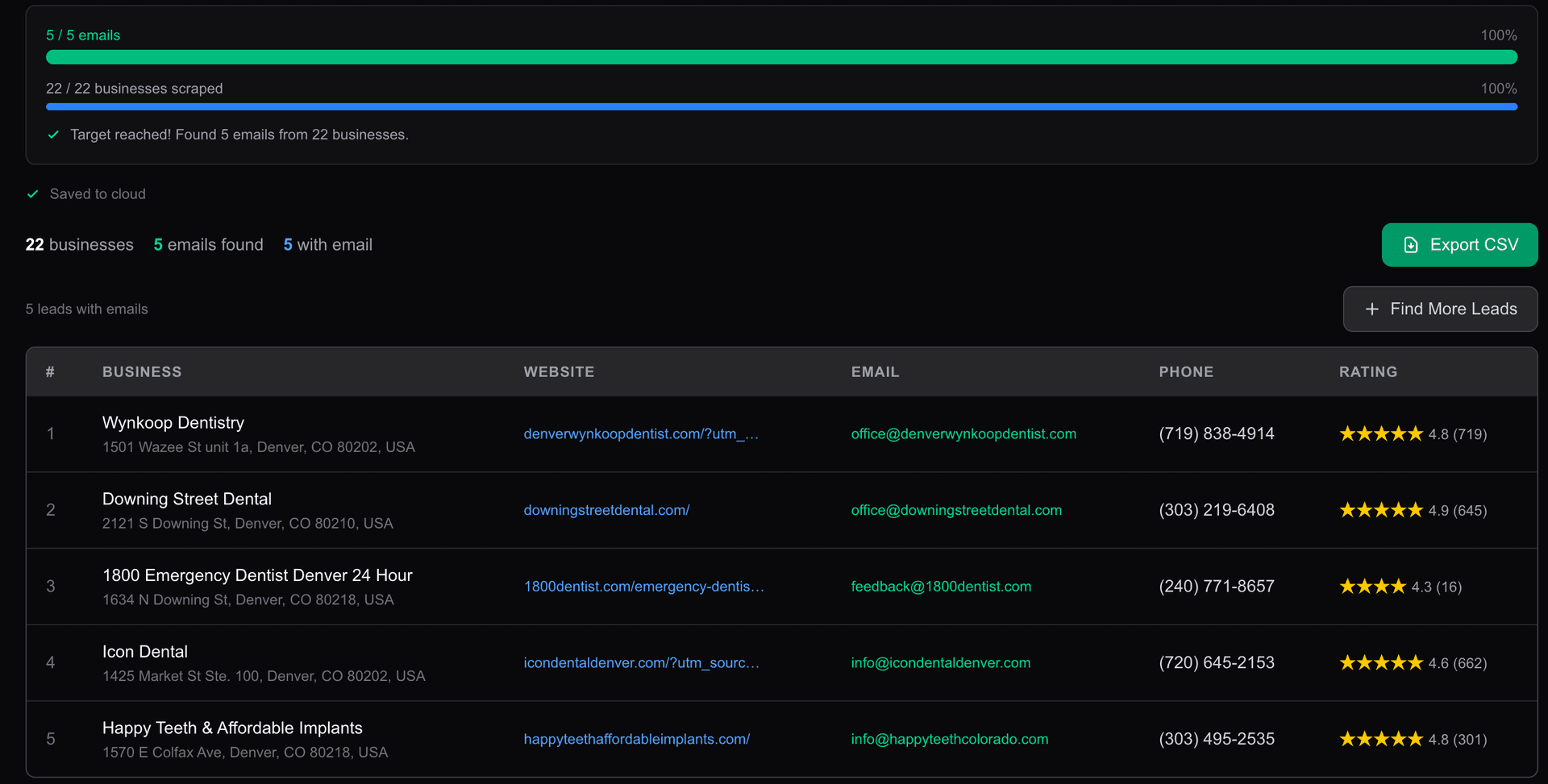
You cannot write a tailored proposal without understanding the prospect. Tools like Easy Email Finder give you business details and context that help you personalize your proposals from the start. The more you know about a prospect before writing the proposal, the more compelling it will be.
Ready to find business emails?
Try Easy Email Finder free, get 5 credits to start.
Start Finding Emails