How to Sell to Small Business Owners: A Practical Guide
Published January 6, 2026
Why Selling to Small Business Owners Is Different
Small business owners wear many hats. They are the CEO, the marketer, the accountant, and sometimes the janitor. When you reach out to them, you are not pitching a procurement department. You are talking to the person who signs the checks and feels every dollar leave the account.
That means your sales approach needs to be direct, respectful of their time, and focused on tangible outcomes. Forget the jargon-heavy decks and drawn-out discovery calls. Small business owners want to know three things: what does it cost, what does it do, and how fast can I see results.
Step 1: Find the Right Prospects
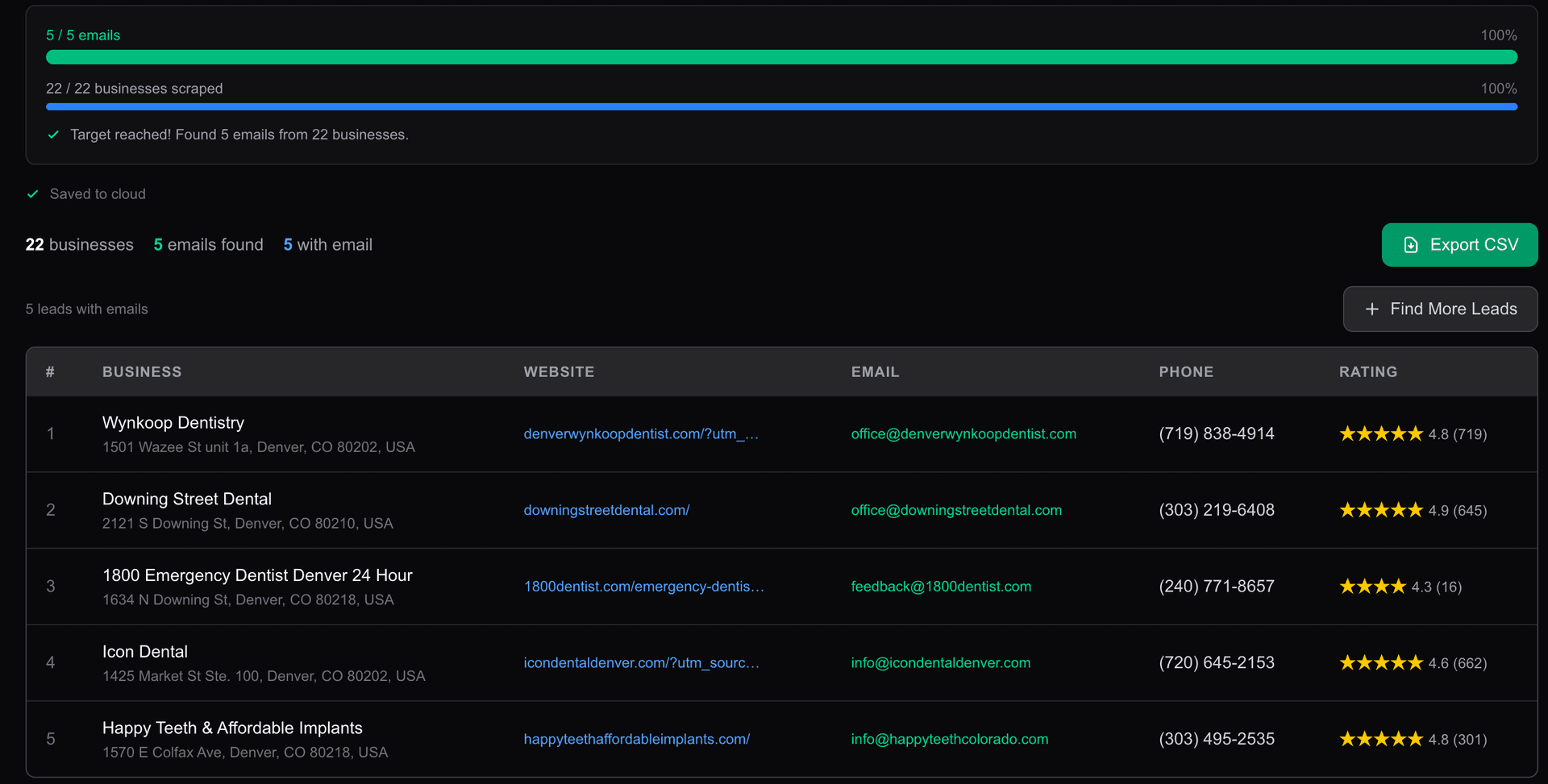
Before you can sell anything, you need a list of businesses that actually need your product or service. Randomly cold-calling every business in your area is a waste of time. Instead, use tools like Easy Email Finder to build targeted lists based on business type, location, and other criteria that matter to your offer.
- Define your ideal customer profile by revenue size, industry, and geography
- Use Google Maps and business directories to identify prospects
- Scrape publicly available contact information to build your outreach list
- Prioritize businesses that show signs of growth or recent activity
Step 2: Lead with Value, Not Features
Small business owners do not care about your feature list. They care about solving a problem that keeps them up at night. Frame your pitch around outcomes. Instead of saying "our software has automated reporting," say "you will save five hours a week on bookkeeping."
Step 3: Keep the Sales Cycle Short
Unlike enterprise deals that take months, small business sales should close in days or weeks. Here is how to speed things up:
- Send a personalized email or message that references something specific about their business
- Offer a quick demo or free trial with no strings attached
- Follow up within 48 hours with a clear proposal
- Make the buying process frictionless with simple pricing and easy sign-up
Step 4: Build Relationships That Last
The best small business clients become long-term customers and referral sources. After the sale, check in regularly, ask for feedback, and look for ways to provide additional value. A happy small business owner will tell five friends about you.
Getting started is the hardest part. Tools like Easy Email Finder make it easier by giving you verified contact information so you can focus on what matters most: having real conversations with real prospects.
Ready to find business emails?
Try Easy Email Finder free, get 5 credits to start.
Start Finding Emails