How to Sell to Restaurants: Finding Decision-Maker Contacts
Published January 14, 2026
Understanding the Restaurant Decision-Making Process
Restaurants are one of the largest small business segments in the economy, with over one million locations in the United States alone. They buy everything from point-of-sale systems and kitchen equipment to marketing services and food delivery platforms. But reaching the right decision maker is notoriously difficult because restaurant owners and managers are rarely sitting at a desk checking email during business hours.
The key to selling to restaurants is understanding their schedule, their pain points, and the channels they actually check. Email works well for initial outreach because it sits in their inbox waiting for them, unlike a phone call that interrupts during the lunch rush.
Identifying the Decision Maker
In the restaurant industry, the decision maker varies by business size:
- Independent restaurants: The owner is typically the decision maker for everything from vendors to technology. Their email is often listed on the restaurant website.
- Small chains with two to ten locations: Look for the operations manager or general manager. They usually handle vendor relationships.
- Franchise locations: Individual franchisees make many purchasing decisions independently. Target the franchisee, not the corporate office.
- Large restaurant groups: These have dedicated procurement or operations directors. LinkedIn is often the best channel for reaching them.
Finding Restaurant Contact Information
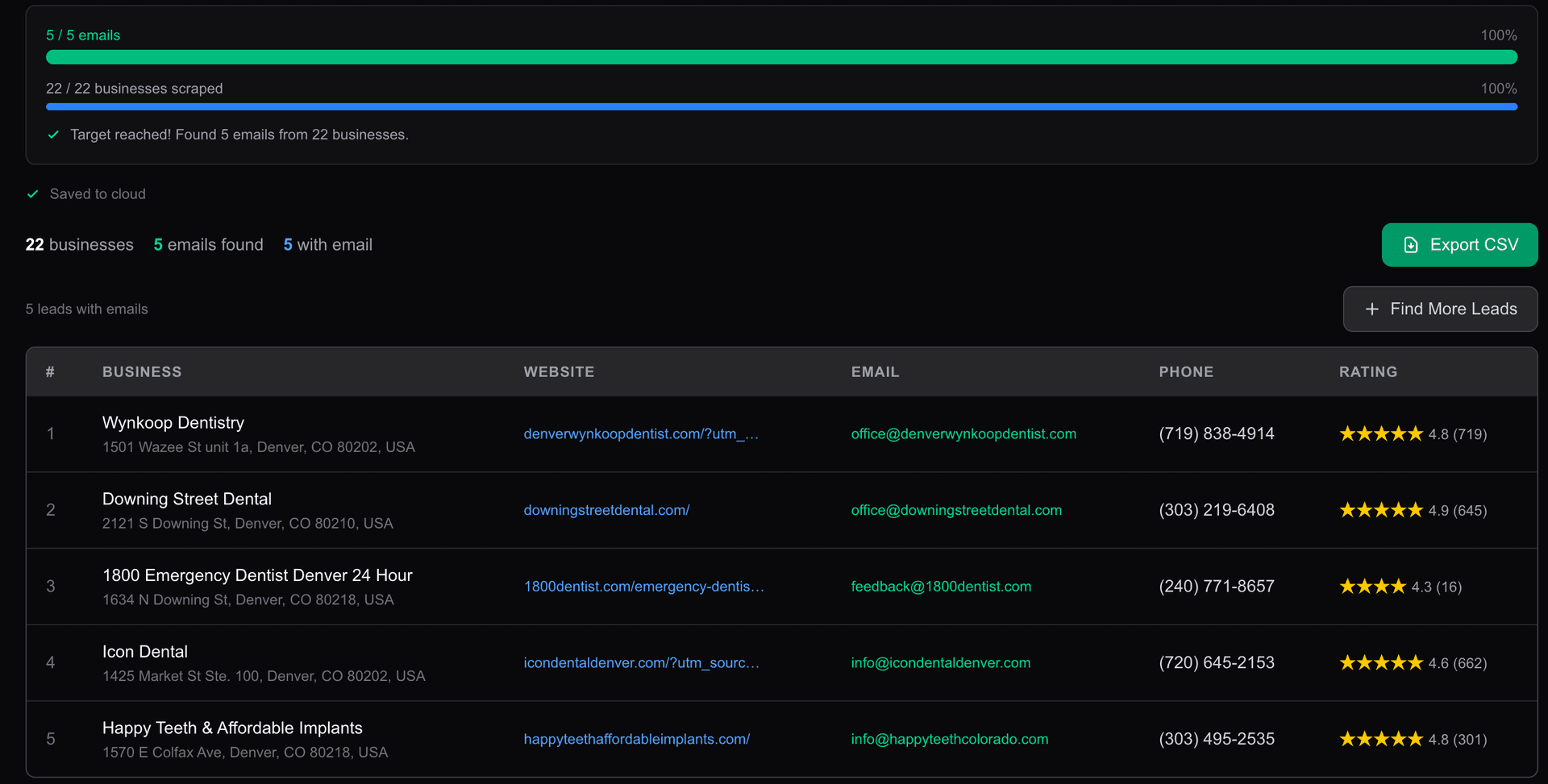
Easy Email Finder is particularly effective for restaurant prospecting. Search for restaurants, cafes, or specific cuisine types in any city, and the tool extracts emails from restaurant websites automatically. Most restaurant websites include a contact email on their about page or footer, and many list the owner or manager by name.
Other sources for restaurant contacts include local restaurant association member lists, health department inspection databases which are public record in most states, and food industry trade show attendee lists.
Writing Emails That Restaurant Owners Actually Read
Restaurant owners are overwhelmed with vendor pitches. To get your email read and responded to, follow these guidelines:
- Send at the right time: Email restaurant owners between 9 and 11 AM or after 3 PM on Tuesday through Thursday. Avoid weekends and Monday mornings when they are dealing with weekend aftermath.
- Keep it extremely short: Three to four sentences maximum. Restaurant owners skim emails on their phones between tasks.
- Lead with a dollar figure or time savings: Restaurants operate on thin margins. If you can save them money or time, lead with that number.
- Reference their specific restaurant: Mention their restaurant name, cuisine type, or a recent review. Generic emails get deleted instantly.
- Offer a no-commitment trial or demo: Restaurants are risk-averse with tight budgets. Remove the barrier to trying your product or service.
Common Mistakes When Selling to Restaurants
Avoid these pitfalls that kill restaurant outreach campaigns:
- Calling during lunch or dinner service hours.
- Sending long, feature-heavy emails instead of focusing on outcomes.
- Not following up because you assume no response means no interest.
- Pitching to the wrong person at chain or franchise locations.
Conclusion
The restaurant industry represents a massive B2B opportunity for companies that know how to reach the right people with the right message. Use Easy Email Finder to build targeted restaurant prospect lists, craft short and specific emails, and follow up persistently. With the right approach, restaurants can become some of your most loyal and long-term customers.
Ready to find business emails?
Try Easy Email Finder free, get 5 credits to start.
Start Finding Emails