GDPR and Cold Email: What You Need to Know to Stay Compliant
Published February 2, 2026
Does GDPR Ban Cold Email?
No. This is one of the biggest misconceptions in B2B sales. The General Data Protection Regulation does not outright ban cold email. However, it does impose strict rules about how you collect, store, and use personal data, including email addresses. If you follow the rules, B2B cold email is perfectly legal in the EU and UK.
The Legal Basis for B2B Cold Email
Under GDPR, you need a lawful basis to process personal data. For B2B cold email, the two most relevant bases are:
- Legitimate interest: This is the most common basis for B2B cold outreach. You have a legitimate business interest in contacting someone whose role is relevant to your product or service. However, this interest must be balanced against the individual's rights.
- Consent: The gold standard but not always practical for cold outreach. If someone opts in to receive your emails, you are on the safest ground.
Key GDPR Rules for Cold Email
- Transparency: Your first email should clearly identify who you are and why you are contacting them.
- Data minimization: Only collect and store the data you actually need.
- Right to opt out: Every email must include a way for the recipient to opt out of future messages. Honor opt-outs immediately.
- Data subject rights: If someone asks what data you have on them, you must be able to tell them and delete it on request.
- Record keeping: Document your legitimate interest assessment and keep records of your data processing activities.
What About ePrivacy Regulations?
GDPR is not the only regulation that matters. The ePrivacy Directive, which varies by EU member state, also governs electronic communications. In some countries, B2B cold email is treated more leniently than B2C. However, the rules differ significantly between countries like Germany (very strict) and the UK (more permissive for B2B).
Practical Steps to Stay Compliant
- Only email people whose roles are relevant to your offering
- Include your company name, address, and a clear opt-out link in every email
- Honor opt-out requests within 48 hours
- Keep records of where you obtained each email address
- Do not buy email lists from unverified sources
- Delete contact data when there is no longer a legitimate reason to keep it
Use Ethical Data Sources
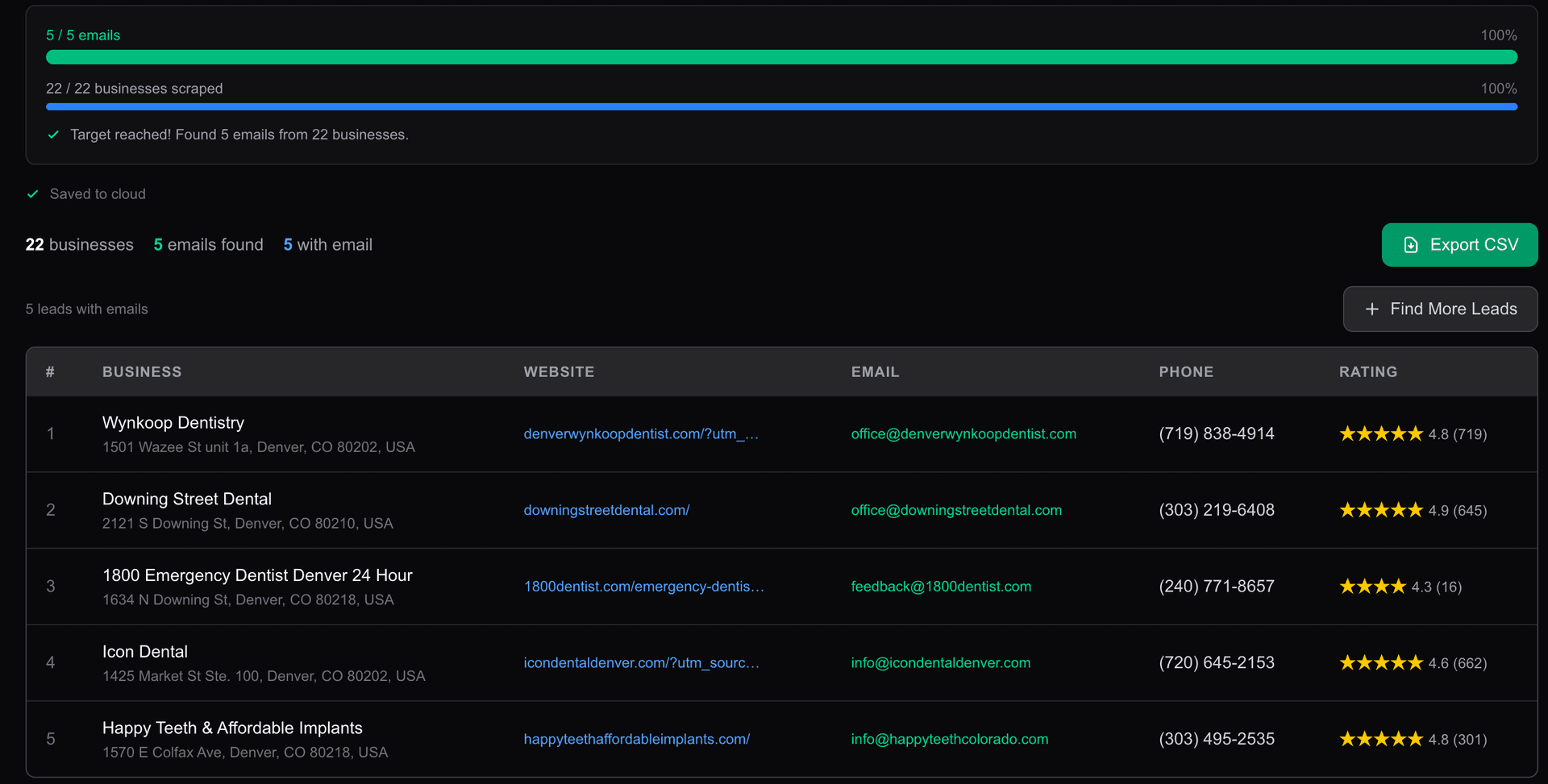
Compliance starts with how you source your data. Easy Email Finder scrapes publicly available business emails from company websites, which provides a clear, documentable source for your data. This is fundamentally different from buying shady third-party lists with unknown provenance.
When paired with proper opt-out mechanisms and transparent communication, Easy Email Finder helps you build an outreach program that respects both the law and your prospects.
Ready to find business emails?
Try Easy Email Finder free, get 5 credits to start.
Start Finding Emails