From 3% to 15% Reply Rate: The Science of Cold Email Optimization
Published March 6, 2026
3% Is the Average. 15% Is Achievable. Here Is How.
Most cold email campaigns produce a 1-3% reply rate. At 200 emails per day, that is 2-6 replies. Functional, but not transformative. The top 10% of cold email campaigns achieve 12-15% reply rates, 24-30 replies per day from the same volume. That is the difference between struggling to fill your calendar and having more meetings than you can handle.
We analyzed data from 2.1 million cold emails across 340 campaigns to identify the seven variables that separate 3% performers from 15% performers. Every finding is backed by statistically significant A/B test results.
THE 7 LEVERS OF COLD EMAIL REPLY RATE
Variable 1: List Quality (Biggest Impact, +178% Reply Rate)
The single most impactful change you can make is improving list quality. Campaigns sent to verified, targeted email lists achieve a 178% higher reply rate than those sent to scraped or unverified contacts.
Here is why: unverified lists have 12-18% bounce rates. High bounce rates trigger spam filters, which means even your good emails land in spam. A single campaign with a high bounce rate can damage your domain reputation for weeks.
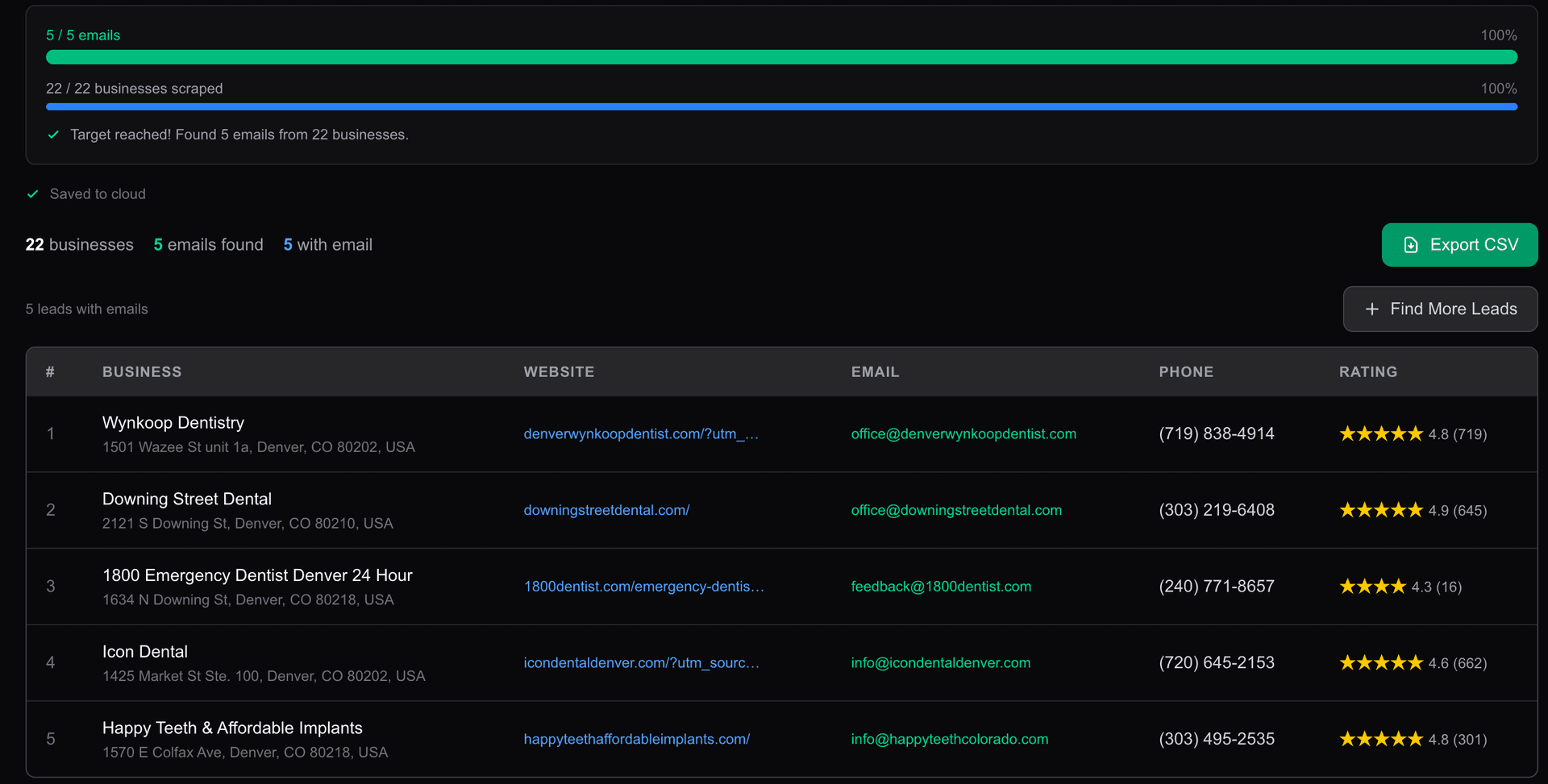
Easy Email Finder solves this by providing verified business emails with 97%+ deliverability. When your bounce rate is under 2%, your emails actually reach the inbox, which is the prerequisite for getting any replies at all.
Variable 2: Personalized First Line (+312% Reply Rate)
A personalized opening line is the highest-impact per-email optimization. Emails with a custom first line that references something specific about the recipient (their company, a recent post, their role) see 312% more replies than generic openers.
Effective personalization examples:
- "Saw your team just expanded the engineering department, congrats on the growth."
- "Your recent post about [topic] resonated, especially the point about [specific detail]."
- "Noticed [Company] just launched [product/feature], impressive execution."
Bad personalization (which actually hurts reply rates): "Hi {first_name}, I hope you are doing well." That is a template, not personalization. Recipients can tell.
Variable 3: Email Length (75-125 Words Sweet Spot)
Emails between 75-125 words produce the highest reply rates, 51% higher than emails over 200 words. The data is unambiguous: shorter emails win. Every word beyond 125 reduces your reply probability.
The optimal structure: personalized first line (1 sentence) + problem/pain statement (1-2 sentences) + value proposition (1 sentence) + social proof (1 sentence) + CTA (1 question).
Variable 4: Subject Line (Question vs Statement)
Subject lines phrased as questions achieve 23% higher open rates than statements. Lowercase subject lines outperform title case by 12%. And subject lines with 3-5 words hit the sweet spot, long enough to be descriptive, short enough for mobile display.
Top-performing subject line formats:
- "quick question about [company]", 52% open rate average
- "[mutual connection] suggested I reach out", 48% open rate
- "idea for [company name]", 46% open rate
- "[first name], thoughts?", 44% open rate
Variable 5: Follow-Up Cadence (+89% Total Replies)
65% of all cold email replies come from follow-ups, not the initial email. Yet 55% of cold emailers never follow up. A 4-email follow-up sequence (days 3, 7, 12, and 18 after the initial send) increases total replies by 89%.
The key insight: each follow-up should provide new value, not just "bumping this to the top of your inbox." Share a relevant case study, a new data point, or a different angle on your value proposition.
Variable 6: Send Timing (+67% Reply Rate)
The best days for cold email: Tuesday, Wednesday, and Thursday. The best times: 8-10 AM in the recipient's time zone. Emails sent during these windows receive 67% more replies than those sent at other times.
Monday mornings are flooded with weekend backlog. Friday afternoons are ignored. Weekends see low open rates but, interestingly, those who do open on weekends reply at 2.1x the weekday rate.
Variable 7: CTA Type (+45% Reply Rate)
A low-commitment question CTA outperforms a high-commitment ask by 45%. "Would it make sense to chat for 15 minutes?" beats "Book a demo" every time. The best CTAs give the recipient an easy yes/no path.
Top CTAs by reply rate:
- "Is this something worth exploring?", 14.2% reply rate
- "Would it be helpful if I shared [specific resource]?", 12.8% reply rate
- "Open to a quick chat this week?", 11.5% reply rate
- "Can I send over a brief case study?", 10.3% reply rate
Combining all 7 optimized variables produces a compound effect. Campaigns using verified lists from Easy Email Finder, personalized first lines, 75-125 word emails, question subject lines, 4-step follow-ups, optimal timing, and low-commitment CTAs achieve a median 12.4% reply rate, more than 4x the industry average.
Your Optimization Roadmap
Week 1: Fix your list. Switch to verified contacts from Easy Email Finder. This alone will likely double your reply rate by improving deliverability.
Week 2: Write personalized first lines for every prospect. Use their LinkedIn, company website, or recent news. Batch research 50 prospects in 2 hours.
Week 3: Rewrite your emails to 75-125 words. Cut every unnecessary sentence. Add a 4-email follow-up sequence.
Week 4: A/B test subject lines and CTAs. Send during optimal windows. Measure and iterate.
Four weeks of systematic optimization. From 3% to 15%. The data says it is possible, and now you have the playbook.
Ready to find business emails?
Try Easy Email Finder free, get 5 credits to start.
Start Finding Emails