CRM Setup Guide for Small Business Lead Generation
Published January 13, 2026
Why Small Businesses Need a CRM
If you are tracking leads in your head, sticky notes, or a messy spreadsheet, you are losing deals. A CRM (Customer Relationship Management) tool keeps all your contacts, conversations, and deal stages in one place so nothing falls through the cracks.
Choosing the Right CRM
You do not need Salesforce. For most small businesses, a free or low-cost CRM is more than enough. Here are solid options:
- HubSpot CRM (Free): The most popular free option. Handles contacts, deals, and basic email tracking.
- Zoho CRM (Free tier): Good for teams of up to three. Includes workflow automation.
- Pipedrive: Visual pipeline management. Starts at around fifteen dollars per month.
- Google Sheets: Not a CRM, but many small teams start here. It works until it does not.
Setting Up Your CRM in Five Steps
- Define your pipeline stages. Keep it simple: New Lead, Contacted, Meeting Scheduled, Proposal Sent, Won, Lost.
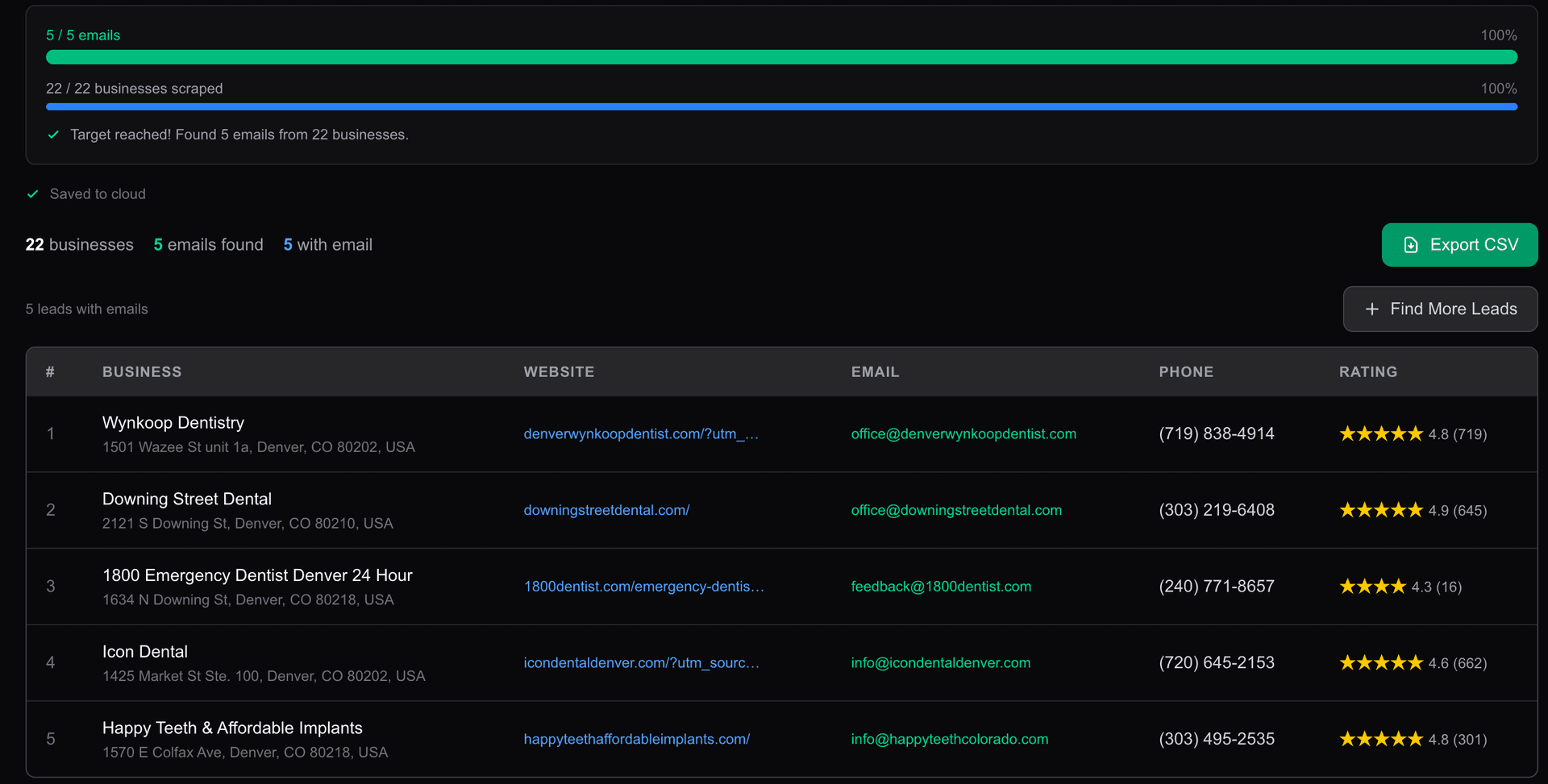
- Import your existing contacts. If you have been using a spreadsheet or have exported leads from a tool like Easy Email Finder, import that CSV directly into your CRM.
- Set up custom fields. Add fields for lead source, business type, location, and any other data points that matter for your sales process.
- Create email templates. Write two or three outreach templates you can personalize. Most CRMs let you save and reuse these.
- Set follow-up reminders. The biggest reason deals die is lack of follow-up. Set automatic reminders so you never forget to check in.
Connecting Your Lead Source to Your CRM
The fastest way to fill your CRM is to connect it to your lead generation workflow. Use Easy Email Finder to scrape leads from Google Maps, export as CSV, and import directly into your CRM. This gives you a steady stream of fresh contacts without manual data entry.
Keep It Simple
The best CRM is the one you actually use. Start with the basics, contacts, deal stages, and follow-up reminders. You can add automation and integrations later as your process matures.
Ready to find business emails?
Try Easy Email Finder free, get 5 credits to start.
Start Finding Emails