Why Every Freelancer Needs a Prospecting System (Not Just a Portfolio)
Published March 6, 2026
The Beautiful Portfolio Problem
I see it all the time in freelancer communities. Someone spends three months building the perfect portfolio site. Custom animations, gorgeous case studies, testimonials with professional headshots. They launch it, share it on Twitter, get 47 likes, and then... nothing. No clients. No inquiries. Just crickets.
I'm not saying portfolios don't matter. They do. But a portfolio without a prospecting system is like a restaurant without a front door. The food might be incredible, but nobody can get in.
The freelancers who consistently earn $10K+ per month don't have better portfolios than you. They have better prospecting systems.
WHERE FREELANCERS SPEND TIME VS. WHERE CLIENTS COME FROM
What a Prospecting System Actually Looks Like
A prospecting system isn't complicated. It's just a repeatable process for finding potential clients, reaching out to them, and following up until they say yes or no. That's it. No fancy software required. No sales degree needed.
At its core, your system needs four components: a way to find prospects, a way to get their contact info, a message that starts conversations, and a follow-up cadence that keeps you top of mind.
Component 1: Finding Prospects
Where do your ideal clients hang out? For local businesses, Google Maps is goldmine. For e-commerce brands, Shopify store directories work great. For SaaS companies, Product Hunt and G2 listings are perfect starting points.
The key is to look for signals that a business needs your service. A slow website is a signal for web developers. A dead blog is a signal for content writers. No paid ads when competitors are running them is a signal for marketers.
Component 2: Getting Contact Info
This used to be the hardest part. You'd spend 20 minutes per prospect trying to find an email address, only to end up guessing firstname@company.com and hoping for the best.
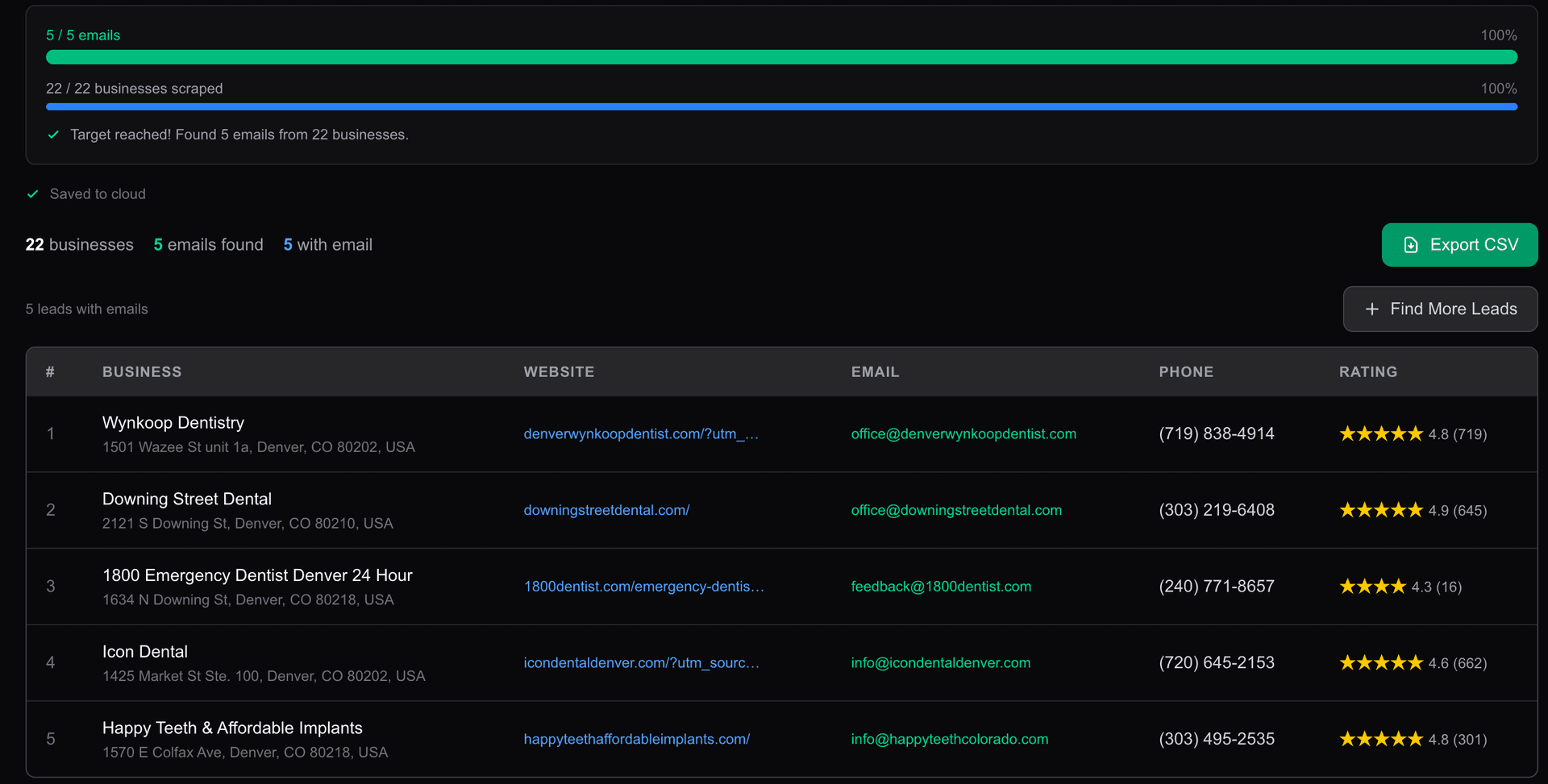
Now you can use Easy Email Finder to pull up verified business emails in seconds. That 20 minutes per prospect becomes 20 seconds. Which means you can build a list of 50 qualified prospects in the time it used to take to find 5.
Your portfolio still matters -- but as a closing tool, not a lead generation tool. When a prospect replies to your email and says "tell me more," THAT is when you send your portfolio. Lead with outreach, close with proof.
Component 3: The Message
Your outreach message should be about the prospect, not about you. Lead with an observation about their business. Mention a specific problem. Offer a clear next step. Keep it under 100 words.
Think of your email as a conversation starter at a party, not a sales pitch at a conference. Nobody likes being sold to. Everyone likes someone who notices a problem they can fix.
Component 4: The Follow-Up Cadence
Most freelancers send one email and give up. But data consistently shows that 60-80% of conversions happen on the follow-up. Set a system: follow up at Day 3, Day 7, and Day 14. Each follow-up should add new value, not just say "just checking in."
Building the Habit
The best prospecting system is the one you actually use. Start small: 30 minutes per day, 5 emails per day. In one month, that's 100 outreach emails. With a 15% reply rate, you'll have 15 conversations. Close 3 of those and you've got a full pipeline.
Your portfolio is your proof. Your prospecting system is your pipeline. Build both, but spend more time on the system. That's how freelancers who earn $10K/month think -- and that's how you'll get there too.
Tools like Easy Email Finder make the hardest part easy. Use them. Build your system. Stop waiting for clients to find your portfolio and start finding them instead.
Ready to find business emails?
Try Easy Email Finder free, get 5 credits to start.
Start Finding Emails