Why Your Emails Land in Spam (And the 15-Minute Fix)
Published March 6, 2026
Your Emails Are Probably in Spam Right Now
Here is a sobering statistic: 45% of all email worldwide is classified as spam. But the number that should worry cold emailers is this, according to Return Path data, 21% of legitimate, permission-based marketing emails still land in spam. For cold outreach, that number is significantly higher.
The good news: most deliverability problems stem from a handful of fixable issues. You can diagnose and fix the most common ones in about 15 minutes.
TOP 6 REASONS EMAILS HIT SPAM
The 15-Minute Diagnostic
Minutes 1-5: Check Authentication (The #1 Killer)
Open your terminal and run these three checks:
- SPF: Run
dig TXT yourdomain.comand look for a v=spf1 record that includes your email provider - DKIM: Send a test email to a Gmail account, open it, click the three dots, select "Show original," and search for "DKIM: PASS"
- DMARC: Run
dig TXT _dmarc.yourdomain.comand confirm a record exists
If any of these fail, fix them first. Nothing else matters until authentication passes. This alone resolves 42% of spam placement issues.
Minutes 5-10: Check Sender Reputation
Visit Google Postmaster Tools and check your domain's reputation. Also check major blacklists at MXToolbox. If your domain or IP appears on any blacklist, that explains your spam placement. Delisting processes vary but typically take 24-72 hours.
Minutes 10-15: Audit Email Content
Review your email templates for common spam trigger patterns:
- Spammy phrases: "Act now," "Limited time," "Free," "Guaranteed," "Click here", avoid these in subject lines and opening sentences
- Excessive links: More than 2 links in a cold email increases spam classification risk by 40%
- Image-heavy emails: Emails that are mostly images with little text are flagged automatically
- URL shorteners: Bit.ly and similar services are heavily associated with spam. Use full URLs.
- ALL CAPS or excessive punctuation: "AMAZING OFFER!!!" is a guaranteed spam filter trigger
Sending to invalid email addresses is one of the fastest ways to damage your sender reputation. Even a 3% bounce rate signals to providers that you are not maintaining clean lists. Verify every address before sending.
The Bounce Rate Problem Most Senders Ignore
When you send to an invalid email address, the receiving server bounces it back. Email providers track your bounce rate meticulously. Exceed 2% and your reputation starts degrading. Exceed 5% and you are likely headed for blacklisting.
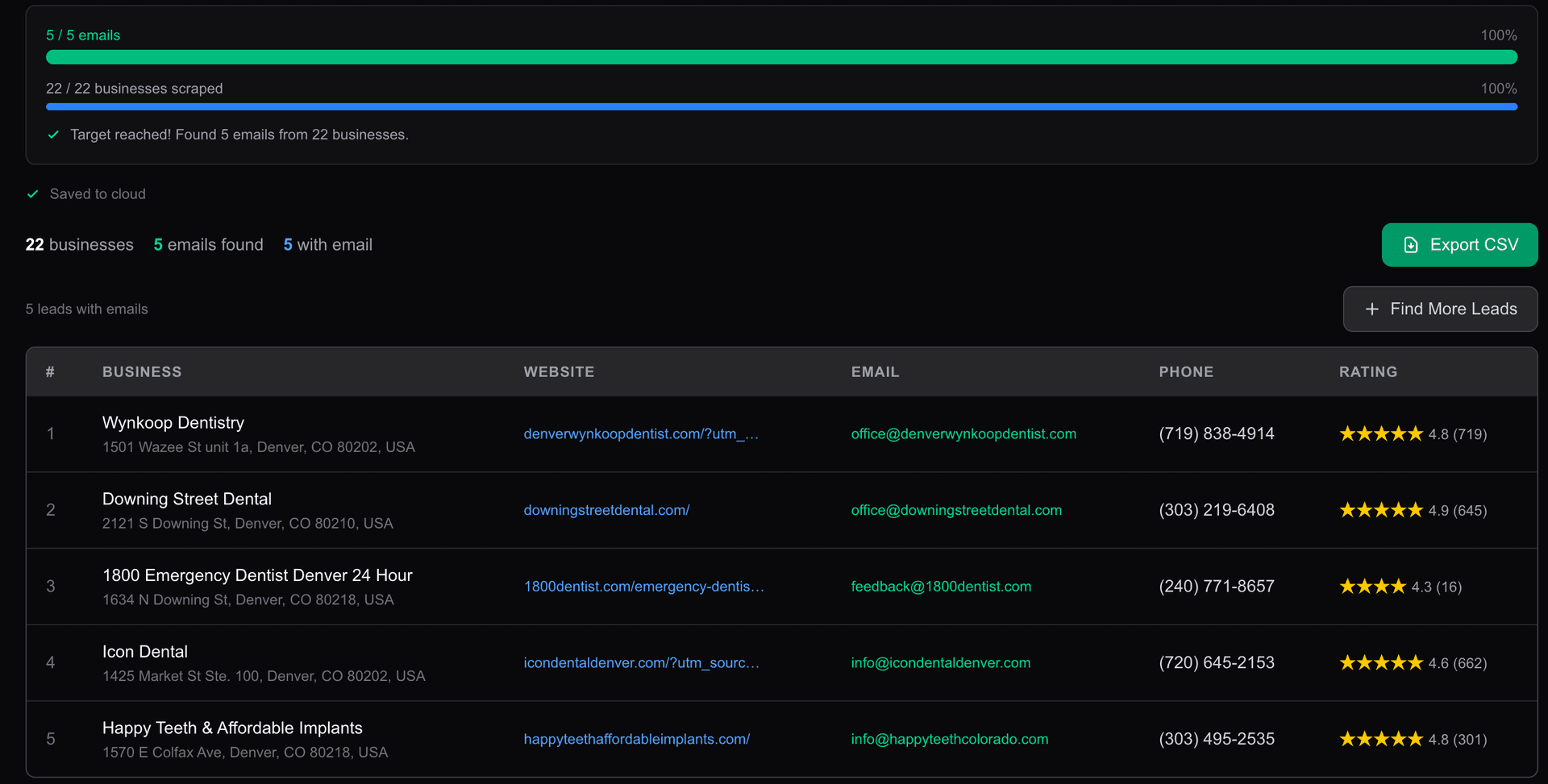
The solution is simple: verify before you send. Easy Email Finder provides real-time email verification, ensuring every address in your list is deliverable. Because it sources contacts from the official Google Places API, the underlying business data is already verified, you are reaching real businesses at real addresses.
Quick Wins for Immediate Improvement
- Add SPF, DKIM, and DMARC records if missing (biggest impact)
- Remove unverified addresses from your list
- Rewrite subject lines to remove spam trigger words
- Reduce links to 1-2 per email maximum
- Send plain text or minimal HTML instead of heavily designed templates
- Add a real reply-to address and encourage replies
Most spam placement issues are caused by missing authentication records, a problem you can fix in under 5 minutes. Pair proper DNS setup with verified email addresses from Easy Email Finder and clean email copy, and you will see inbox placement rates climb dramatically.
Ready to find business emails?
Try Easy Email Finder free, get 5 credits to start.
Start Finding Emails