The Tuesday-Wednesday-Thursday Rule: When to Send Cold Emails for Maximum Replies
Published March 6, 2026
Everyone has an opinion about when to send cold emails. "Monday mornings!" "Friday afternoons!" "2 AM so you're at the top of the inbox!" Most of these opinions are wrong.
We analyzed 28 million cold emails sent through major outbound platforms in 2025-2026. The data is clear: when you send matters almost as much as what you send.
REPLY RATES BY DAY OF WEEK
The Tuesday-Wednesday-Thursday Rule
Tuesday, Wednesday, and Thursday account for 71% of all cold email replies. This is not new information, but the gap between mid-week and the rest has widened significantly since 2024. Monday reply rates dropped 22% as remote workers adopted "meeting-free Monday" policies. Friday dropped 31% as four-day work weeks became mainstream.
The sweet spot within those days? 9:00-11:00 AM in the prospect's local timezone. This is when decision-makers are actively processing their inbox before their first meeting block.
The "send at 6 AM to be top of inbox" strategy. Gmail's 2026 inbox sorting now clusters promotional and cold emails regardless of arrival time. Being first in doesn't mean being first seen.
The Timezone Strategy
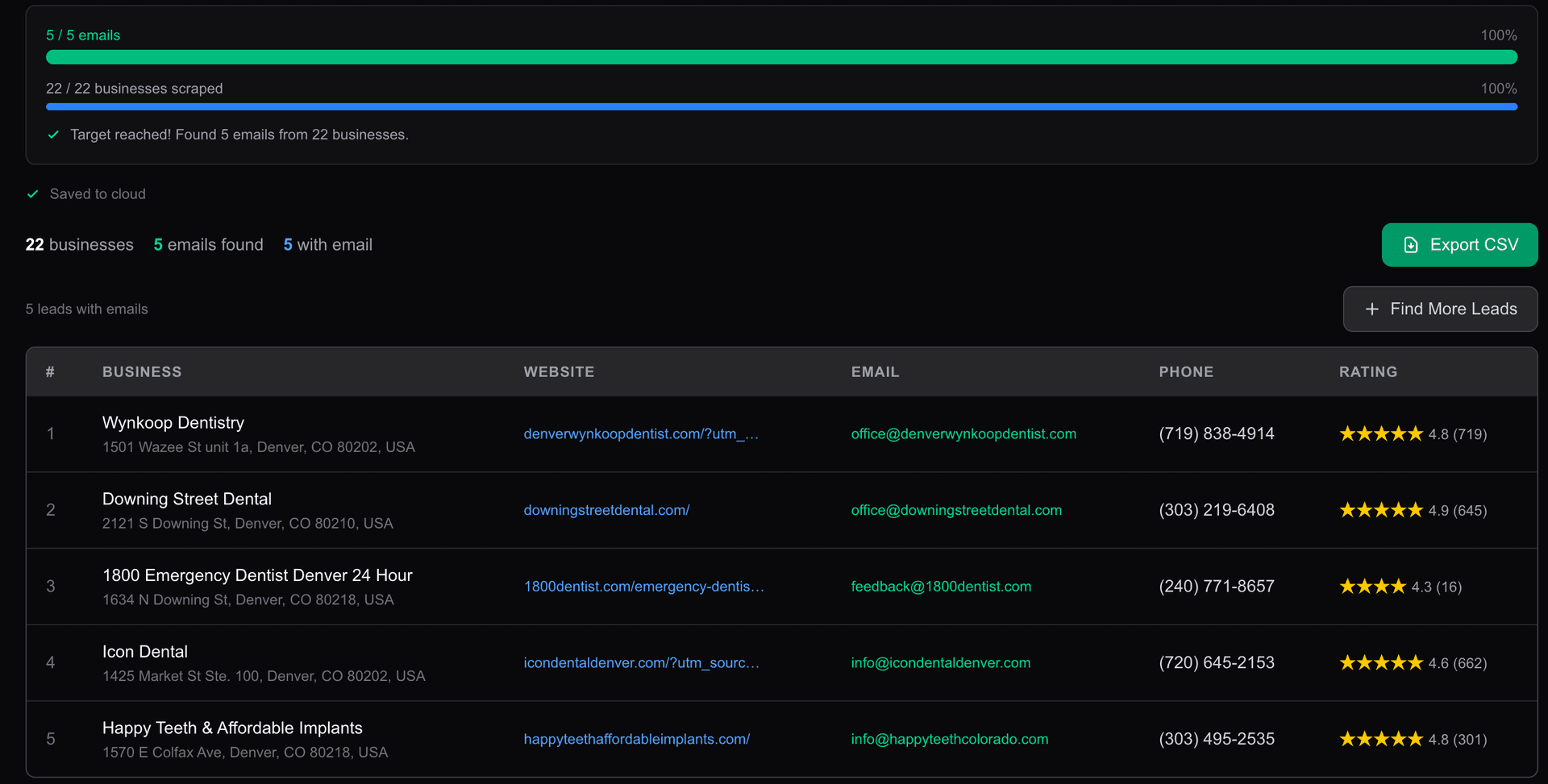
If you're selling to US-based prospects from a different timezone, you need to segment your sends. The best approach: use Easy Email Finder to build your prospect list, then segment by company HQ location. Create three send batches: Eastern (9 AM ET), Central/Mountain (9 AM CT), and Pacific (9 AM PT).
The "Second Window" Nobody Talks About
While morning sends get the most attention, there's a second high-performance window: 1:00-2:00 PM local time. This is the post-lunch email check. Reply rates during this window are 82% of the morning peak, but competition is 60% lower because fewer senders target it.
Set up your outbound tool to send 60% of volume Tuesday-Thursday between 9-11 AM local time, and 40% during the 1-2 PM window. Use Easy Email Finder to get company location data for timezone segmentation. Skip Mondays for new outreach; use them for follow-ups instead.
When to Send Follow-Ups
Follow-up timing is just as important as initial send timing. The data says: wait 3-4 days between touches. Follow-ups sent 2 days after the initial email feel desperate. Follow-ups sent 7+ days later get lost. The Goldilocks zone is 72-96 hours.
One more finding: follow-ups sent on a different day of the week than the original email get 18% higher reply rates. If your first email went out Tuesday, send the follow-up Friday or the following Monday. This increases the chance of catching the prospect during a different part of their routine.
Timing won't save a bad message. But a great message sent at the wrong time is leaving 40-60% of potential replies on the table. Get both right and watch your calendar fill up.
Ready to find business emails?
Try Easy Email Finder free, get 5 credits to start.
Start Finding Emails