Stop Building, Start Selling: Why Technical Founders Need Outbound Before Product-Market Fit
Published March 6, 2026
The Most Expensive Mistake in Startups
You spend 6 months building a beautiful product. You launch it. Crickets. Nobody wants it. You spent half a year and your entire savings solving a problem that either doesn't exist or isn't painful enough for people to pay for.
I've watched this movie play out hundreds of times. And it's almost always technical founders who fall into this trap. We love building. Building feels productive. Sales feels uncomfortable. So we hide behind code and call it "progress."
Here's the uncomfortable truth: if you can't sell it before you build it, building it won't change that.
Sell the Outcome, Not the Product
You don't need a product to start selling. You need a clearly articulated outcome that a specific type of customer desperately wants. Draft a landing page. Write a cold email describing the problem and the outcome. See if anyone bites.
Stripe's first customers signed up before the product was reliable. Dropbox's waitlist exploded from a demo video of a product that barely worked. The selling came first. The building came second.
BUILD-FIRST vs SELL-FIRST OUTCOMES
The Outbound Validation Framework
Here's how to use outbound sales as your product-market fit engine:
- Week 1: Define your hypothesis. What problem are you solving? For whom? What's the outcome they want?
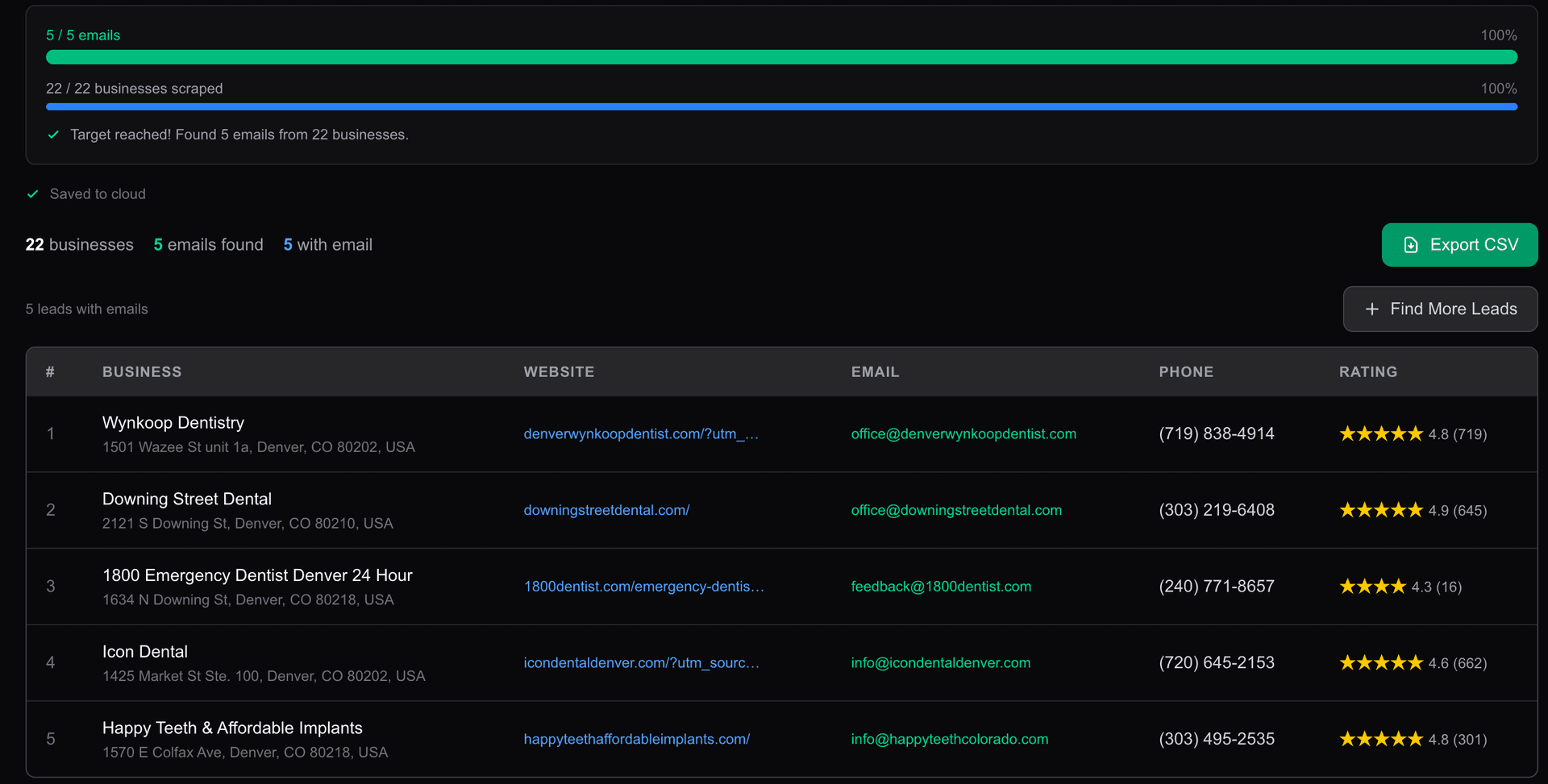
- Week 2: Build your prospect list. Use Easy Email Finder to find 200-500 businesses or people who fit your hypothetical ICP. This takes hours, not weeks.
- Week 3: Send outbound emails. Don't pitch a product. Pitch the outcome. "We help [type of business] achieve [specific outcome]. Would you pay $X/month for that?"
- Week 4: Analyze responses. If nobody replies, your problem isn't real enough. If people reply but won't commit, your pricing or positioning is off. If people say "shut up and take my money," build.
What Responses Tell You
Every reply is a data point. "Not interested" with no explanation? Wrong ICP. "Interesting, but we already use [competitor]", you've found a market with existing demand, now differentiate. "We tried to solve this internally and failed", jackpot, this is a real pain point with budget.
I spent 3 years as a technical founder before I learned this lesson. My first startup: 8 months of building, $0 in revenue, dead. My second startup: 3 weeks of outbound emails before writing a line of code. I had 5 paying commitments before I opened my IDE. That company did $2M in its first year. The outbound conversations taught me exactly what to build.
But I'm Not a Salesperson
Good. You shouldn't be. The point isn't to become a polished closer. The point is to have real conversations with potential customers to learn if your idea has legs. If you're a technical founder, you have a superpower: you can speak authoritatively about the technical problem. Use that credibility in your outreach.
The mechanics are simple. Use Easy Email Finder to find prospects. Write honest, direct emails about the problem you want to solve. Ask if it resonates. The conversations that follow will teach you more in one week than six months of building in isolation ever could.
The Paradox
The fastest way to build a great product is to stop building and start selling. The conversations you have during outbound aren't just sales calls, they're research interviews, product design sessions, and market validation rolled into one. Technical founders who embrace outbound don't just build faster; they build the right thing.
Close your IDE. Open your inbox. Start selling.
Ready to find business emails?
Try Easy Email Finder free, get 5 credits to start.
Start Finding Emails