The Spam Complaint Threshold That Kills Your Domain (It's Lower Than You Think)
Published March 6, 2026
The Number That Should Keep You Up at Night: 0.1%
Google has been explicit about it: if more than 0.1% of your emails generate spam complaints, your deliverability will suffer. That means for every 1,000 emails you send, if just one recipient clicks the "Report Spam" button, you are at the threshold. Two complaints and you are over it.
This number surprises most senders because it seems impossibly low. But Gmail processes billions of emails daily and uses spam complaint rates as one of the strongest signals for sender quality. Yahoo and Microsoft have similar thresholds. Exceed them consistently, and your domain enters a death spiral that is extraordinarily difficult to reverse.
SPAM COMPLAINT RATE CONSEQUENCES
What Happens When You Exceed the Threshold
The consequences escalate rapidly:
- Stage 1, Throttling: Gmail and other providers start delivering fewer of your emails per hour. Your sending queue backs up. Some emails get delayed by hours.
- Stage 2, Spam folder routing: Even emails that pass authentication start landing in spam. Your open rates plummet.
- Stage 3, Blocking: The email provider begins rejecting your messages at the server level. You see 550 bounce codes with messages about domain reputation.
- Stage 4, Blacklisting: Your domain or IP gets added to major blocklists (Spamhaus, Barracuda, etc.). This affects deliverability across all email providers, not just the one where complaints occurred.
Each stage is progressively harder to recover from. Stage 1 recovery takes days. Stage 4 recovery takes months and may require retiring the domain entirely.
Why Prospects Mark Emails as Spam
Understanding complaint triggers helps you prevent them:
- They did not ask for the email (47%), Cold email inherently carries this risk. Relevance is your defense.
- Unsubscribe is too hard (31%), If they cannot find the opt-out link, they use the spam button instead.
- Too many emails (14%), Aggressive follow-up sequences push prospects to complain.
- Content feels deceptive (8%), Misleading subject lines or sender names trigger complaints.
Many prospects use the spam button as an unsubscribe button. They are not reporting you as a spammer, they just want to stop receiving emails. But Gmail does not distinguish between intent. Every spam click counts equally against your complaint rate. Make your unsubscribe link impossible to miss.
How to Monitor Spam Complaints
You cannot manage what you do not measure. Set up these monitoring systems:
- Google Postmaster Tools: Free. Shows your domain's spam rate, reputation, and authentication success for Gmail recipients. This is the most important monitoring tool for any sender.
- Microsoft SNDS: Smart Network Data Services provides similar data for Outlook and Hotmail recipients.
- Feedback loops (FBLs): Sign up for feedback loops with major ISPs. When a recipient marks your email as spam, the ISP sends a notification to your registered abuse address.
- ESP dashboards: Most email service providers surface complaint metrics. Check them daily during active campaigns.
Preventing Complaints: The Tactical Playbook
- Make unsubscribe effortless: One click. No confirmation page. No "are you sure?" prompts. Place the link prominently, not in 8px font at the bottom.
- Limit follow-up touches: Three follow-ups maximum. Each subsequent email has diminishing returns and increasing complaint risk.
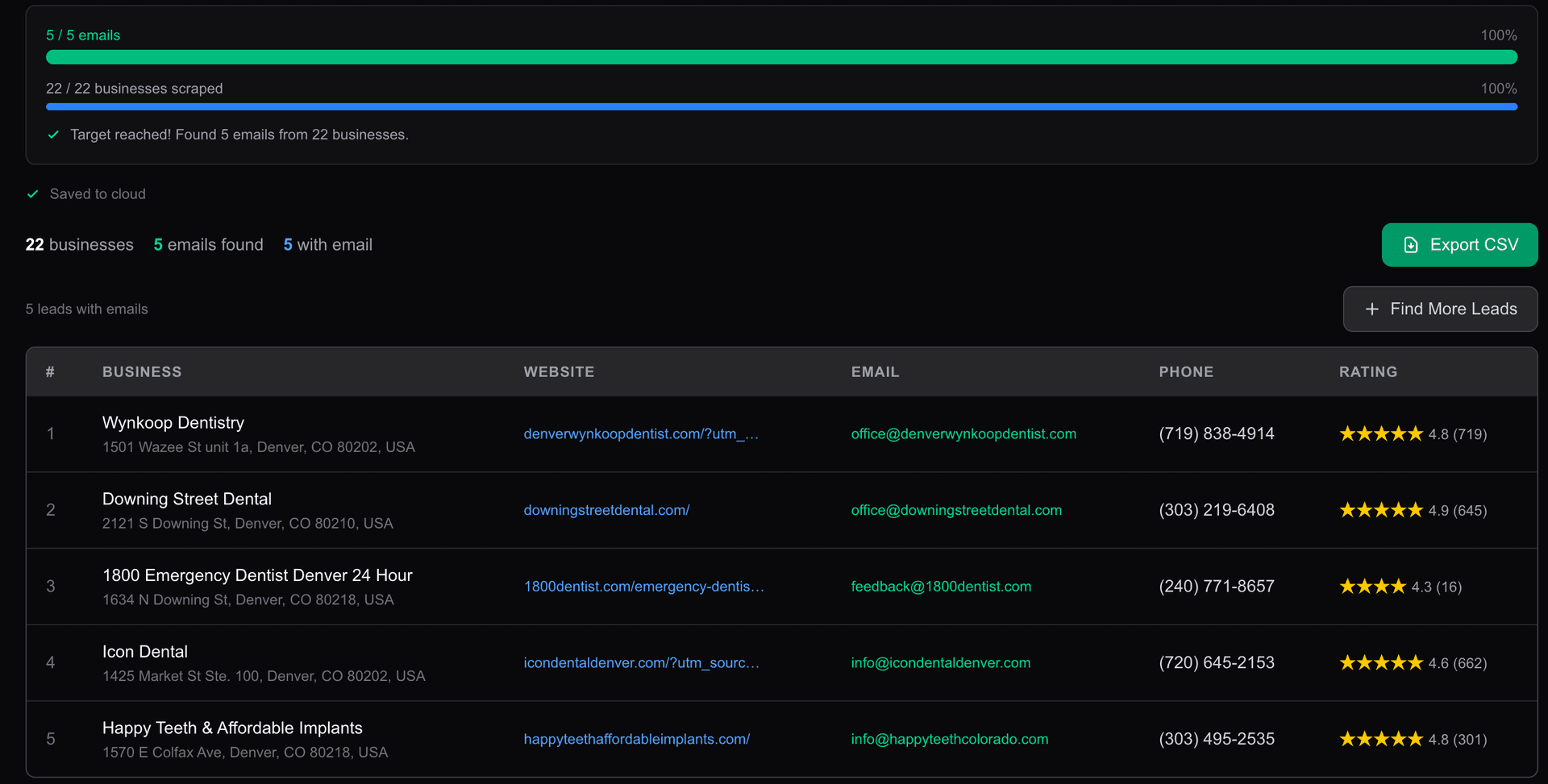
- Send to relevant recipients only: The most effective spam prevention is targeting. An irrelevant email to the wrong person is a complaint waiting to happen. Use Easy Email Finder to find specific decision-makers at relevant businesses instead of blasting generic lists.
- Use honest subject lines: "Quick question" when you have no question triggers distrust. Be straightforward about why you are emailing.
- Verify email addresses: Emails to catch-all domains and role-based addresses have higher complaint rates. Easy Email Finder verifies each address and flags risky contact types, helping you send only to verified personal business addresses.
Recovery Steps If You Exceed the Threshold
If you are already above 0.1%, act immediately:
- Stop all cold sending immediately. Not "reduce volume", stop completely.
- Send only to engaged contacts for 2-4 weeks. Generate positive signals: opens, replies, forwards.
- Audit your recent campaigns to identify which messages generated the most complaints. Remove those templates permanently.
- Clean your suppression list and ensure all opt-outs are properly processed.
- Re-verify your entire contact database and remove any unverified addresses.
- Resume cold sending at 25% of previous volume and increase by 10% weekly only if complaint rate stays below 0.05%.
The 0.1% spam complaint threshold is the single most important metric for cold email senders. Monitor it daily via Google Postmaster Tools, make unsubscribe effortless, limit follow-up sequences to three touches, and only send to verified, relevant contacts from Easy Email Finder. Prevention is infinitely easier than recovery.
Ready to find business emails?
Try Easy Email Finder free, get 5 credits to start.
Start Finding Emails