Gmail's 2026 Crackdown: Why Your Cold Emails Are Silently Disappearing
Published March 6, 2026
The Silent Purge Is Real
If your cold email reply rates dropped off a cliff in early 2026, you are not imagining things. Google completed the final phase of its bulk sender crackdown in January 2026, and the consequences are severe: messages that fail authentication checks are no longer routed to spam. They are rejected at the server level. Your prospect never sees them. You get no bounce notification. The emails simply vanish.
This is not a temporary glitch. It is the new permanent standard, and every sender doing outreach at scale needs to adapt or accept zero deliverability to Gmail and Google Workspace accounts, which represent over 1.8 billion users worldwide.
GMAIL 2026 ENFORCEMENT BY THE NUMBERS
What Gmail Now Requires From Every Sender
Google published updated sender guidelines that went into full enforcement in 2026. The requirements are non-negotiable:
- SPF (Sender Policy Framework), Your DNS must declare which servers are authorized to send email from your domain. Without a valid SPF record, Gmail rejects outright.
- DKIM (DomainKeys Identified Mail), Every email must be cryptographically signed. This proves the message was not altered in transit. Gmail now requires DKIM alignment, meaning the signing domain must match the From header domain.
- DMARC (Domain-based Message Authentication), You must publish a DMARC policy at minimum p=none. However, Google increasingly favors p=quarantine or p=reject policies. Without DMARC, you fail the authentication chain.
- One-click unsubscribe, Bulk senders (5,000+ emails/day) must include RFC 8058-compliant List-Unsubscribe headers. This is not optional.
- Spam complaint rate below 0.1%, Exceed this threshold and Gmail begins throttling, then blocking your domain entirely.
If you are sending cold emails from a domain without SPF, DKIM, and DMARC configured, your messages are being silently dropped by Gmail right now. You will not receive a bounce notification. Check your DNS records immediately.
How to Check Your Authentication in 15 Minutes
Run these checks before sending another email:
- SPF check: Use dig or nslookup to query your domain's TXT records. Look for a record starting with v=spf1 that includes your email provider's servers.
- DKIM check: Send a test email to a Gmail account and view the original message headers. Look for "DKIM: PASS" in the Authentication-Results header.
- DMARC check: Query _dmarc.yourdomain.com for a TXT record. It should exist and contain at least v=DMARC1; p=none.
- Spam complaint monitoring: Register with Google Postmaster Tools (free) and monitor your domain's complaint rate daily.
The Hidden Killer: Bad Email Addresses
Even with perfect authentication, sending to invalid addresses triggers bounces that damage your sender reputation. Gmail watches your bounce rate closely. If it exceeds 2%, your sending reputation degrades rapidly.
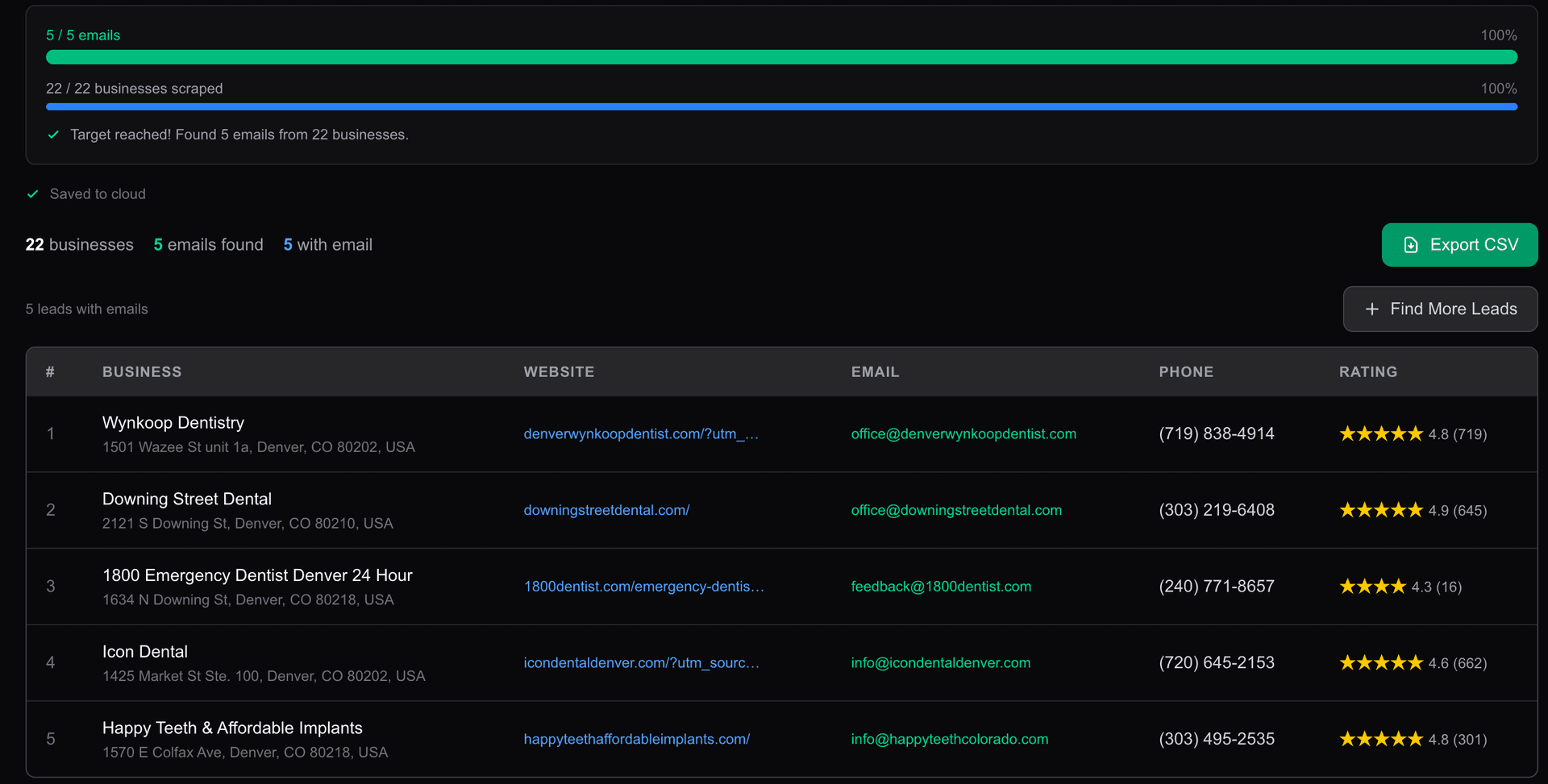
This is why verified contact data matters more than ever. Tools like Easy Email Finder verify email addresses in real-time before you send, keeping your bounce rate near zero. By sourcing business contacts through the official Google Places API, Easy Email Finder ensures the data is legitimate and current, not scraped from dubious databases.
What to Do Right Now
If your cold email performance has declined, follow this sequence:
- Audit your DNS authentication records (SPF, DKIM, DMARC)
- Register for Google Postmaster Tools and check your domain reputation
- Verify your entire prospect list, remove any unverified addresses
- Review your sending volume and ensure you are not exceeding warm-up levels
- Check your spam complaint rate and adjust messaging if above 0.05%
Gmail's 2026 enforcement is not a temporary algorithm change, it is a permanent infrastructure shift. Every cold email sender must treat SPF, DKIM, and DMARC as absolute prerequisites. Pair authentication compliance with verified contact data from Easy Email Finder to ensure your messages actually reach human inboxes.
The senders who adapt will enjoy less competition in the inbox. Those who ignore these requirements will watch their outreach efforts produce literally zero results, because their emails will never arrive.
Ready to find business emails?
Try Easy Email Finder free, get 5 credits to start.
Start Finding Emails