The $51,744 Email: How CAN-SPAM Fines Are Bankrupting Careless Senders in 2026
Published March 6, 2026
The Fine That Could End Your Business
The CAN-SPAM Act has been around since 2003, and most marketers treat it as background noise. That complacency is increasingly expensive. The FTC adjusts the per-violation penalty annually for inflation, and in 2026, each noncompliant commercial email carries a maximum fine of $51,744. Send 100 bad emails? That is $5.17 million in potential liability.
This is not theoretical. The FTC and state attorneys general have increased enforcement actions dramatically, and recent court rulings have made it easier to calculate damages on a per-email basis.
CAN-SPAM PENALTY ESCALATION (2020-2026)
Real Enforcement Cases That Should Scare You
In 2025, a SaaS company in California settled with the FTC for $2.3 million after sending promotional emails without functioning unsubscribe mechanisms. They had 47,000 emails that took longer than 10 days to process opt-outs. The FTC calculated damages at a discounted rate, but the message was clear: violations will be punished.
The Washington State ruling is even more alarming for small senders. A state court upheld a $500-per-email penalty under Washington's commercial email statute (RCW 19.190). A local business sent 1,200 unsolicited emails to Washington residents and faced $600,000 in damages. The business had fewer than 10 employees.
State laws often impose stricter penalties than CAN-SPAM. Washington, California, and Virginia have particularly aggressive email statutes. Compliance with CAN-SPAM alone does not protect you from state-level enforcement.
What CAN-SPAM Actually Requires
The seven core requirements most senders violate:
- No deceptive headers, Your From, To, and Reply-To must accurately identify who sent the message
- No misleading subject lines, The subject must relate to the email content
- Identify as an ad, If the email is promotional, it must be disclosed (though the method is flexible)
- Include physical address, A valid postal address must appear in every commercial email
- Provide opt-out mechanism, Must be clear, conspicuous, and functional
- Honor opt-outs within 10 days, You must process unsubscribe requests within 10 business days
- Monitor third parties, You are responsible for compliance even if you hire someone else to send
The Most Common Violations
In analyzing FTC enforcement actions, three violations appear repeatedly:
- Missing or invalid physical address, PO boxes are acceptable, but the address must be real and current
- Broken unsubscribe links, Links that 404, require login, or take more than one click to process
- Continuing to email after opt-out, The 10-day window is the maximum, not the standard. Process immediately.
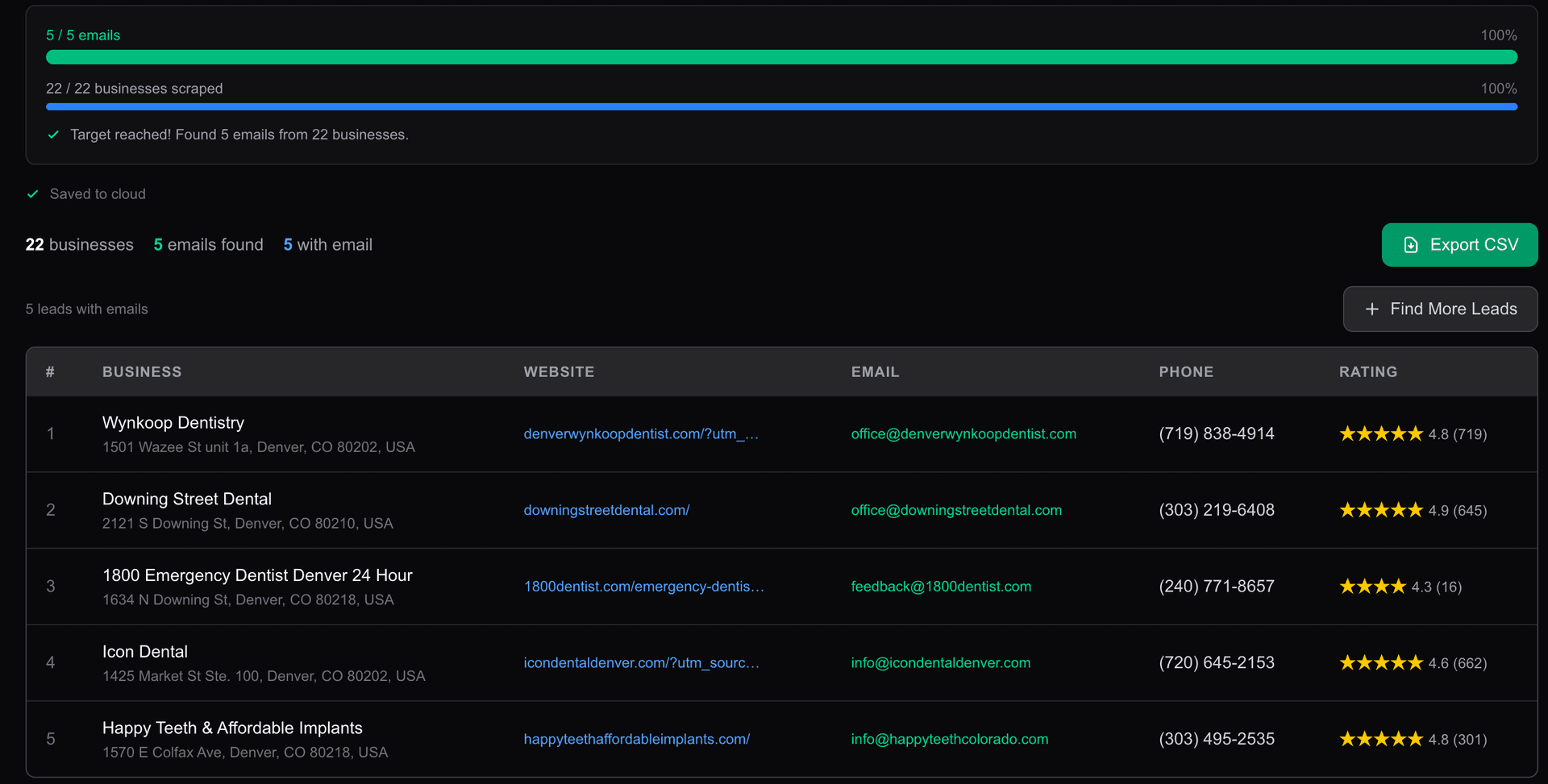
Using verified, legitimate contact data significantly reduces risk. Easy Email Finder sources business contacts through the official Google Places API, providing real business email addresses from verified listings. This is fundamentally different from purchasing scraped lists of unknown origin, which frequently contain spam traps and recycled addresses that trigger regulatory scrutiny.
Building a Compliance-First Outreach System
Compliance does not have to slow you down. Build these safeguards into your workflow:
- Include your physical address in every email template, make it non-removable
- Use a suppression list that syncs across all sending platforms
- Process opt-outs in real-time, not in batches
- Verify email addresses before sending to avoid spam trap hits
- Document your compliance processes, regulators look for evidence of good faith
At $51,744 per violation, CAN-SPAM compliance is not optional, it is existential. Build compliance into your sending infrastructure from day one. Use verified contact sources like Easy Email Finder to ensure you are reaching real businesses, not spam traps. And check your state-level obligations, they may be stricter than federal law.
Ready to find business emails?
Try Easy Email Finder free, get 5 credits to start.
Start Finding Emails