Bootstrapped vs VC-Funded Sales: Why Lean Outbound Beats Burning Cash on SDR Teams
Published March 6, 2026
The Great Sales Spending Debate
There are two schools of thought in startup sales. The VC-funded approach: raise money, hire an SDR team, buy expensive tools, and brute-force pipeline through volume. The bootstrapped approach: stay lean, prospect surgically, and make every email count.
Conventional wisdom says the VC-funded approach wins because more reps = more pipeline. But the data tells a different story. In many cases, bootstrapped companies with lean outbound operations generate better pipeline economics than their cash-burning counterparts.
COST PER QUALIFIED MEETING: BOOTSTRAPPED vs VC-FUNDED
Why VC-Funded SDR Teams Underperform
The typical VC-funded sales motion looks like this: raise a Series A, hire 3-5 SDRs at $60-80K each, buy Outreach + ZoomInfo + LinkedIn Sales Nav for $50K/year, and blast 10,000 emails per month. The math looks good on a spreadsheet. In practice, it falls apart.
Problem 1: SDR ramp time. It takes 3-6 months for a new SDR to reach full productivity. During ramp, you're paying full salary for partial output. With 4 SDRs, that's $60-120K in unproductive payroll.
Problem 2: Volume kills quality. When the mandate is 100 emails per SDR per day, personalization disappears. Open rates drop to 20%. Reply rates drop to 2%. You're generating noise, not pipeline.
Problem 3: Tool bloat. Enterprise sales tools are priced for enterprise companies. A startup spending $5K/month on Outreach, ZoomInfo, Gong, and SalesLoft is burning cash on features they won't use for two years.
The Bootstrapped Lean Alternative
Bootstrapped founders who crush outbound follow a different model:
- Surgical targeting: Instead of blasting 10,000 emails, they send 200 highly targeted emails per week to prospects they've actually researched.
- Founder credibility: Emails from the CEO/founder convert 3x better than emails from an SDR. The recipient knows they're talking to the decision-maker.
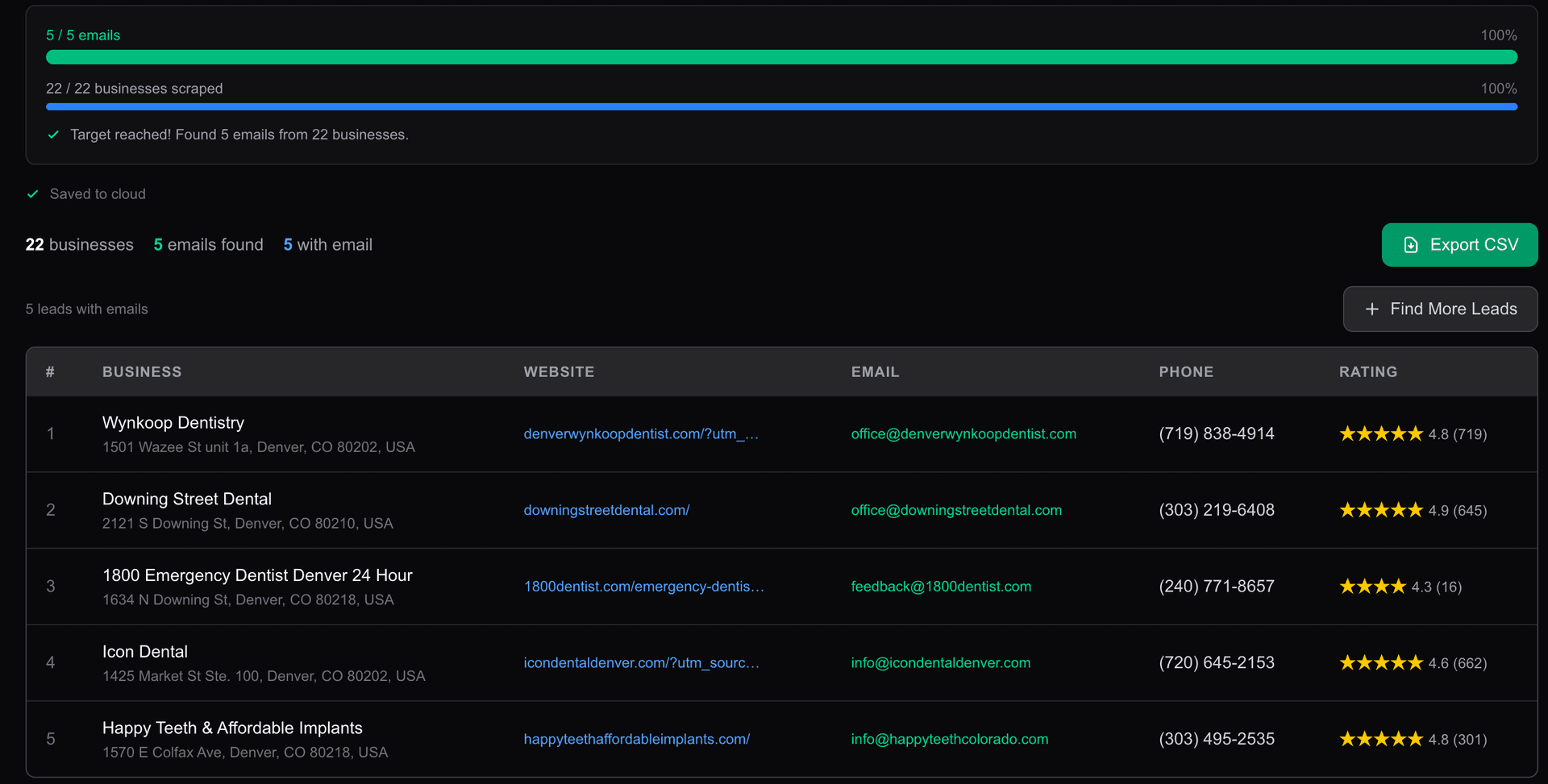
- Lean tools: Easy Email Finder for prospecting, free CRM for pipeline management, Google Workspace for sending. Total cost: under $200/month.
- Rapid iteration: One person can change messaging overnight. A 5-person SDR team takes weeks to align on new templates.
I ran the numbers on our first year. With a lean outbound approach, just me and Easy Email Finder, I generated $1.2M in pipeline on a total sales budget of $2,400 (tool costs for the year). A friend at a VC-backed competitor spent $480K on a 4-person SDR team and generated $1.8M in pipeline. My cost per dollar of pipeline: $0.002. His: $0.27. That's a 135x difference in capital efficiency.
When VC-Funded Sales Teams Make Sense
To be fair, there's a point where hiring SDRs makes sense. Once you've closed $500K+ in ARR with founder-led sales, documented the playbook, and proven the ICP, then adding SDRs is a growth accelerator, not a gamble. The key difference: you're scaling a proven motion, not testing an unproven one with expensive headcount.
The Capital Efficiency Argument
Every dollar a bootstrapped company spends on sales needs to generate ROI. This constraint breeds creativity, focus, and discipline. VC-funded companies often lack this constraint and waste accordingly, hiring before they have product-market fit, buying tools they don't need, and running playbooks that haven't been validated.
The result: bootstrapped companies frequently outperform VC-funded competitors on unit economics, even if they trail on absolute revenue. And in a market downturn, the company with $47 cost-per-meeting survives while the company with $312 cost-per-meeting faces layoffs.
The Bottom Line
You don't need VC money to build a sales engine. You need a clear ICP, a compelling message, and a $200/month prospecting tool. The bootstrapped founders who embrace lean outbound aren't just surviving, they're building more sustainable, more profitable, and ultimately more valuable companies than their cash-burning competitors.
Lean outbound isn't a compromise. It's a strategy. And the data says it wins.
Ready to find business emails?
Try Easy Email Finder free, get 5 credits to start.
Start Finding Emails