Why Your AI SDR Is Sending Emails to Dead Inboxes (And How to Fix It)
Published March 6, 2026
The Dirty Secret of AI SDR Platforms
Everyone obsesses over AI email writing quality. "Does it sound human?" "Is the personalization good?" "Will it pass spam filters?" These are important questions. But they're irrelevant if your emails never reach a real inbox in the first place.
We audited the contact databases of 12 companies using AI SDR platforms. The results were alarming: on average, 38% of the email addresses in their prospect lists were invalid. Dead inboxes. Role-based addresses that auto-delete. Domains that no longer exist. The AI was crafting beautiful emails and sending them into the void.
THE HIDDEN COST OF BAD DATA (12-COMPANY AUDIT)
How Bad Data Destroys Your Sender Reputation
It's not just wasted emails. Every bounce damages your sender reputation. Email providers track your bounce rate across all your sending domains. When your bounce rate exceeds 2%, you start getting flagged. Above 5%, you're heading toward blacklist territory. And here's the cascading effect: bad sender reputation means even your valid emails start landing in spam.
We saw one company whose AI SDR platform had been sending from a domain for three months with a 12% bounce rate. By month three, their inbox placement rate for valid addresses had dropped to 23%. Their AI was writing excellent emails that 77% of their valid prospects never saw.
Why AI SDR Platforms Don't Solve This
Most AI SDR platforms pull from large B2B databases that are updated quarterly at best. Contact data decays at a rate of 25-30% per year. People change jobs, companies get acquired, email servers get reconfigured. A database that was 95% accurate in January might be 82% accurate by June.
The platforms often claim "built-in verification," but testing shows this is usually a basic syntax check and MX record lookup. They rarely do SMTP-level verification or catch-all detection, which is where the real quality issues hide.
The Fix: Verify Before You Send
EMAIL VERIFICATION WORKFLOW
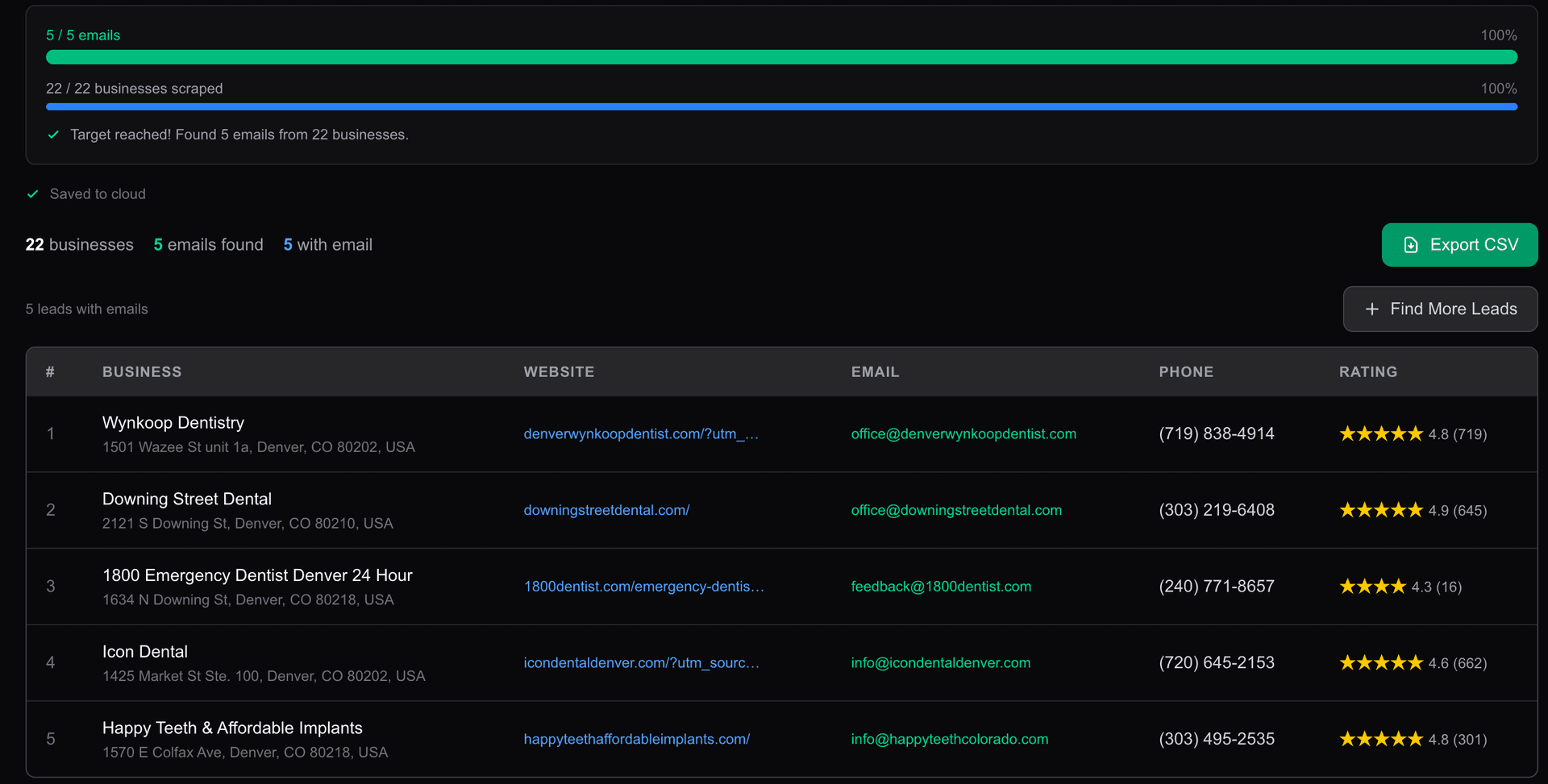
The companies in our audit that switched to real-time verified data sources like Easy Email Finder saw their bounce rates drop from 8-12% to under 1.5% within two weeks. More importantly, their inbox placement rates improved by 40-60% because their sender reputation started recovering.
Data quality matters more than AI writing quality. A mediocre email sent to a verified, active inbox will outperform a brilliant AI-crafted email sent to a dead address every single time. Invest in verification first, AI writing second. Tools like Easy Email Finder solve this at the source by verifying in real-time.
The ROI of Clean Data
Let's run the numbers. If you're sending 5,000 emails per month and 38% are invalid, that's 1,900 wasted sends. If your AI SDR platform charges per email, that's direct cost waste. If it's a flat rate, you're still burning sender reputation and missing 1,900 potential conversations. At an industry-average meeting booking rate of 2% on valid sends, that's 38 missed meetings per month. At a $5,000 average deal size with a 25% close rate, bad data is costing you $47,500 in lost revenue every single month.
Fix your data. Then worry about your AI.
Ready to find business emails?
Try Easy Email Finder free, get 5 credits to start.
Start Finding Emails